If you want a Miami-area second home that feels polished, private, and easy to enjoy from abroad, Bal Harbour deserves a close look. Many international buyers are not just searching for ocean views. You may also want simple ownership, strong services, and a location that works well for short stays or seasonal use. This guide breaks down why Bal Harbour stands out, what types of properties you will actually find, and which costs and planning details matter before you buy. Let’s dive in.
Why Bal Harbour appeals globally
Bal Harbour is a compact barrier-island village at the northern tip of Miami Beach. The village describes it as a secluded oceanside address with luxury hotels and residences, a beach setting, and close proximity to Bal Harbour Shops. It is also about a 30-minute drive from attractions and international airports in Miami and Fort Lauderdale.
That combination matters when you live part of the year elsewhere. You get a small, highly curated setting instead of a sprawling coastal market that can feel harder to navigate from overseas. For many second-home buyers, that convenience is part of the value.
Florida also continues to draw international demand. According to the National Association of Realtors 2025 report, Florida remained the top U.S. destination for foreign buyers, accounting for 21% of foreign purchases. The same report says Florida’s main foreign buyers came from Latin America and Canada, and many purchased for vacation use, rental use, or both.
For some buyers comparing global second-home options, Florida’s lack of an individual state income tax adds another layer of appeal. That does not replace personal tax advice, but it is one reason the state often stays on the shortlist for cross-border buyers.
What homes you will find in Bal Harbour
Condos lead the market
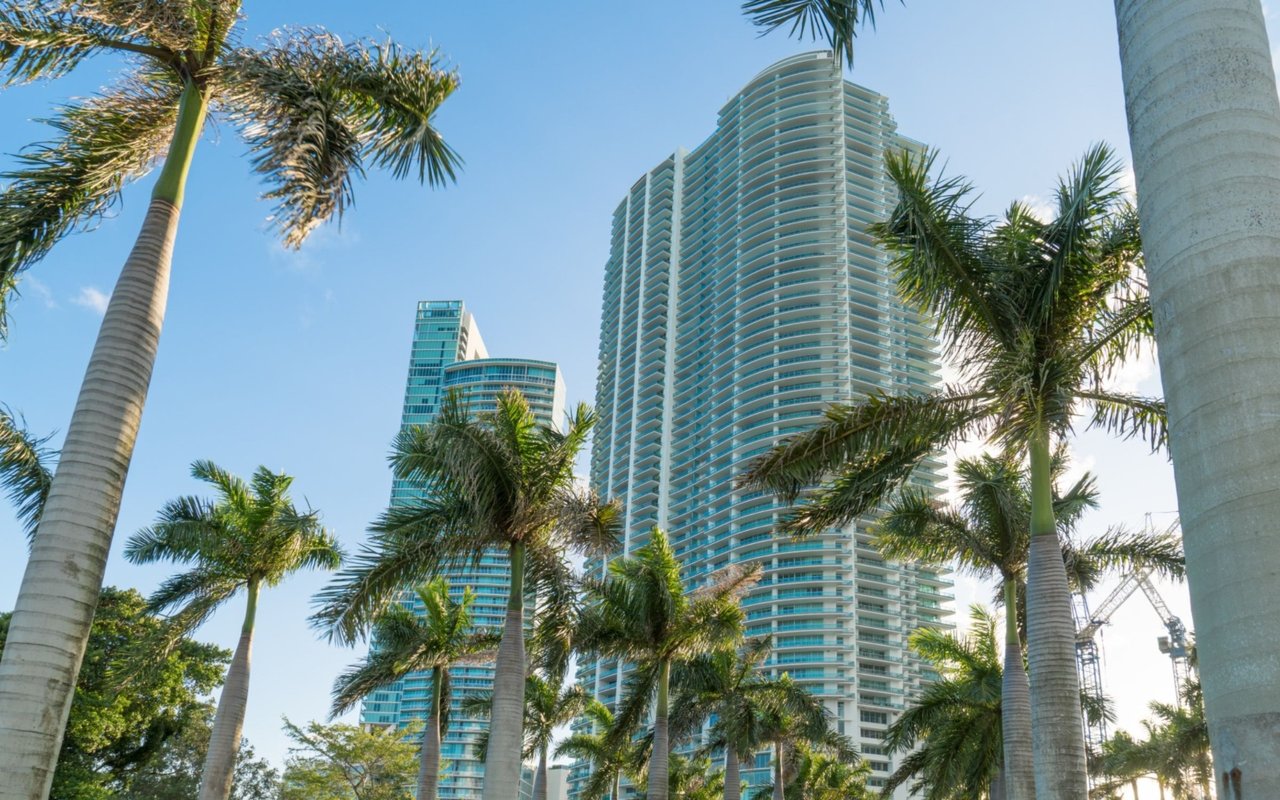
If you are picturing large numbers of detached homes, Bal Harbour may surprise you. Official village planning materials describe a fully built-out, high-end enclave where oceanfront high-rise residential, hotel, and resort development dominates the east side of Collins Avenue. That means your search will usually focus on condominiums and hotel-residence style properties.
The village’s fact sheet supports that picture. It highlights major tower properties like St. Regis Bal Harbour and Ritz-Carlton Bal Harbour, along with boutique options such as Beach Haus Bal Harbour. For an international second-home buyer, the local housing stock is largely a condo and hotel-residence market rather than a broad single-family market.
There are some lower-density alternatives
That said, Bal Harbour is not only towers. Village planning materials also reference low-rise multifamily areas on parts of the west side and single-family homes in gated pockets. These options are more limited, but they can appeal if you want a different ownership style or lower-density setting.
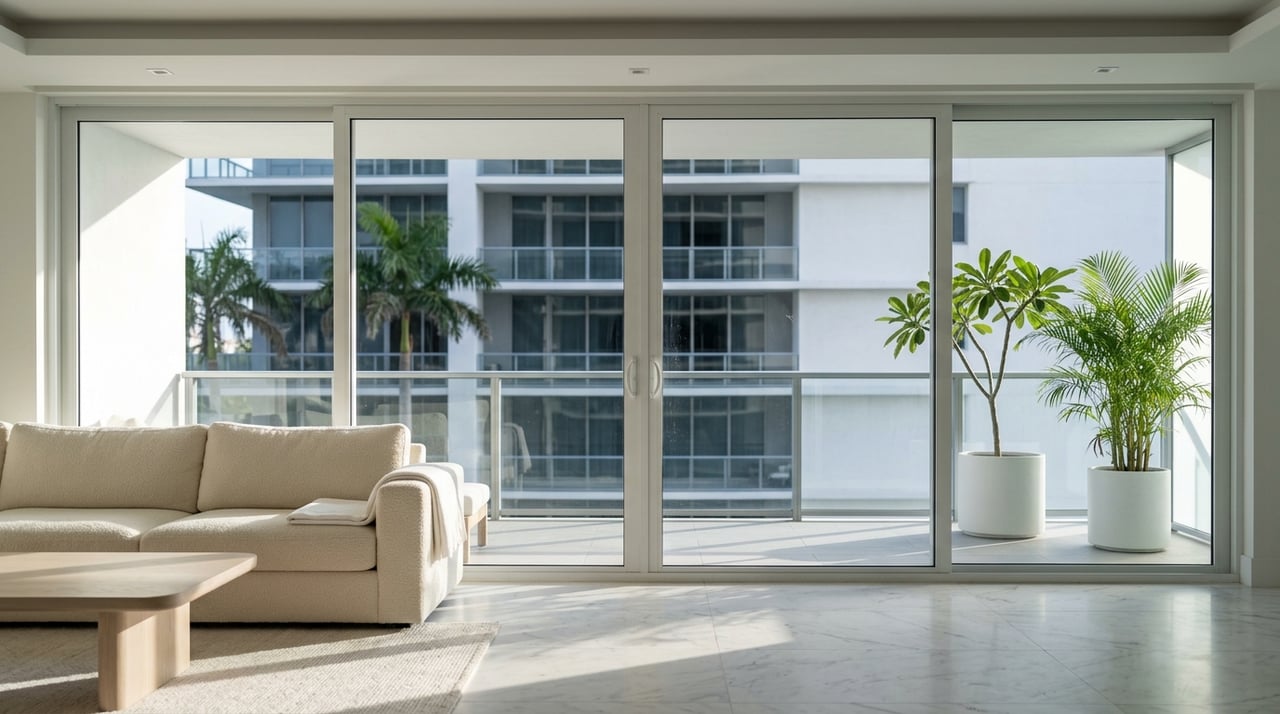
In practice, most buyers looking for a true lock-and-go second home start with the condo inventory. The available product usually lines up well with buyers who value services, security, and a more managed ownership experience.
Why Bal Harbour works for lock-and-leave ownership
For international buyers, the question is often not just where do I want to stay? It is also how easy will this be to own when I am not in Miami? Bal Harbour performs well on that front because many day-to-day services are concentrated and resident-oriented.
The village offers complimentary on-demand Freebee transportation, local Metrobus connections, and a Citi Bike station. It also provides sanitation and recycling collection for residential units, with waste service arranged when a new water account is opened. These details may sound small, but they help simplify part-time ownership.
Resident access is also structured in a practical way. The village’s All Access Card functions as a key FOB for Bal Harbour Waterfront Park and, beginning in Spring 2026, the 102 Beach Access Path. The beach path itself is gated and card-access only.
Bal Harbour also maintains beach and dune areas, supports public safety with its own police department, and hosts resident events and cultural activities. Combined with nearby dining, shopping, and hotel amenities, the village offers a compact lifestyle footprint that many overseas owners find appealing.
For buyers who want continuity after closing, this is where local guidance becomes especially valuable. A second home is easier to enjoy when you also have a clear plan for oversight, maintenance, and occupancy between visits.
Costs international buyers should plan for
A beautiful oceanfront property can be easy to fall in love with. The smarter question is what it costs to own well over time. In Bal Harbour, several recurring expenses deserve close review before you commit.
Do not assume a homestead exemption
Many second-home buyers ask whether they can reduce taxes through Florida’s homestead exemption. In most seasonal or occasional-use situations, the answer is no. Miami-Dade’s Property Appraiser states that homestead is tied to permanent residence, and the owner must meet Florida residency and citizenship or permanent resident requirements as of January 1.
If you are buying a Bal Harbour property mainly for seasonal use, your cost model should usually exclude homestead savings. That can make a meaningful difference in your annual carrying costs.
Condo assessments matter
In Bal Harbour, condominium ownership often includes substantial association expenses. Under Florida law, condominium common expenses can include operation, maintenance, repair, replacement, and protection of common elements, along with related services such as security, transportation, and water or sewer service where applicable.
In plain terms, assessments help fund the lifestyle and infrastructure that attract many buyers to luxury towers in the first place. When you compare buildings, it is important to look beyond the monthly number and understand what those fees support.
Reserve and inspection rules are important
Florida’s condo laws changed significantly after Surfside, and those rules affect how buyers evaluate buildings today. Residential condominium associations for buildings that are three stories or higher must complete a structural integrity reserve study at least every 10 years. Those buildings are also subject to milestone inspections at age 30 and every 10 years after that.
The Florida Department of Business and Professional Regulation states that relevant inspection and reserve records must be available to prospective purchasers. For you, this means due diligence should include a careful review of reserve planning, inspection history, and any upcoming capital needs.
Insurance needs close attention
Insurance is another major line item on a barrier island. FEMA states that flood insurance is required in Special Flood Hazard Areas when a property has a government-backed mortgage, and standard homeowners insurance does not cover flood damage. In Bal Harbour, buyers should expect to review flood, wind, and association coverage carefully.
This is especially important if you are comparing buildings with very different ages, exposure, and service levels. Insurance cost and coverage quality can affect your ownership experience just as much as the purchase price.
Title and exit planning for foreign buyers
If you are buying from abroad, your ownership structure should not be an afterthought. It should be part of the plan before closing. This is especially true if you are thinking about future resale, estate planning, or rental use.
One key issue is FIRPTA. The IRS states that the sale of a U.S. real property interest by a foreign person is subject to withholding, and buyers generally report and pay the withholding using Forms 8288 and 8288-A. Florida Realtors also notes that re-titling or reorganizing ownership can create FIRPTA consequences.
The practical takeaway is simple: do not wait until you are ready to sell to think about your exit. International buyers should coordinate title and tax planning early so the ownership structure fits both present use and future goals.
Renting your Bal Harbour second home
Some international buyers want a property used only by family and guests. Others want the option to generate income during part of the year. If renting is part of your plan, local rules and property-specific restrictions matter.
One local item to know is Bal Harbour’s resort tax. The village levies a 4% tax on room rentals and 2% on food and beverage sales. Separately, Miami-Dade states that ad valorem property taxes are based on assessed value, less exemptions if any, multiplied by the applicable millage rate.
Beyond taxes, your building’s rules will play a major role in what is possible. Before buying, you will want to confirm whether the property’s rental policies align with how you plan to use it.
How to evaluate the right fit
Bal Harbour is not the right choice for every international buyer, and that is exactly why it works so well for the right one. If your priority is a service-rich, oceanfront second home in a compact and prestigious setting, it checks many boxes.
As you compare options, focus on these questions:
- Do you want a condo or hotel-residence style property rather than a standalone house?
- Will you use the home seasonally, occasionally, or as part of a rental strategy?
- Are the association fees consistent with the level of services and amenities you want?
- Have you reviewed reserve, inspection, flood, wind, and building coverage details?
- Does your ownership structure support your long-term plans as a foreign buyer?
For many overseas purchasers, Bal Harbour offers a rare mix of privacy, convenience, and polished coastal living. The key is making sure the property you choose fits not just your taste, but also your ownership strategy.
If you are considering a second home in Bal Harbour, working with a team that understands luxury condos, cross-border buyers, and absentee ownership can make the process much more straightforward. For tailored guidance on buying, holding, and managing a Miami-area property from abroad, schedule a private consultation with Urdapilleta Real Estate.
FAQs
Is Bal Harbour mostly condos or houses for second-home buyers?
- Bal Harbour is mostly a condo and hotel-residence market, especially along the oceanfront, with a smaller number of low-rise multifamily and gated single-family options.
Can an international buyer get a Florida homestead exemption on a Bal Harbour second home?
- Usually not, because Miami-Dade ties homestead to permanent residence and specific Florida residency qualifications, which most seasonal second-home buyers do not meet.
What costs surprise international buyers in Bal Harbour condo ownership?
- Common surprises include association assessments, flood and wind insurance considerations, reserve-related building costs, and future FIRPTA withholding when the property is sold.
Why do many foreign buyers consider South Florida condos for a second home?
- Florida remains the top U.S. destination for foreign buyers, and many international purchasers choose condos for vacation use, rental use, or both, with a notable share paying cash.
What should foreign buyers review before purchasing a Bal Harbour condo?
- You should review association fees, reserve studies, milestone inspection records, insurance details, rental rules, and ownership structure before closing.