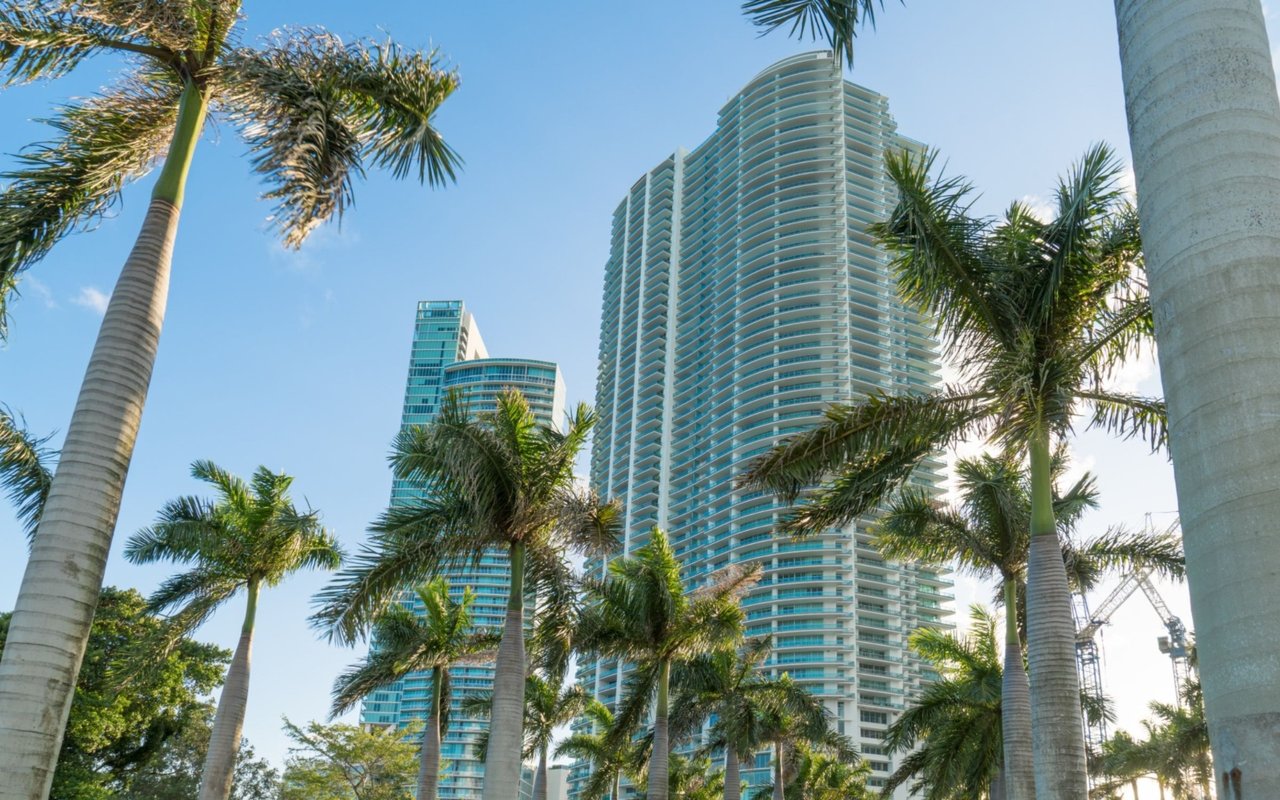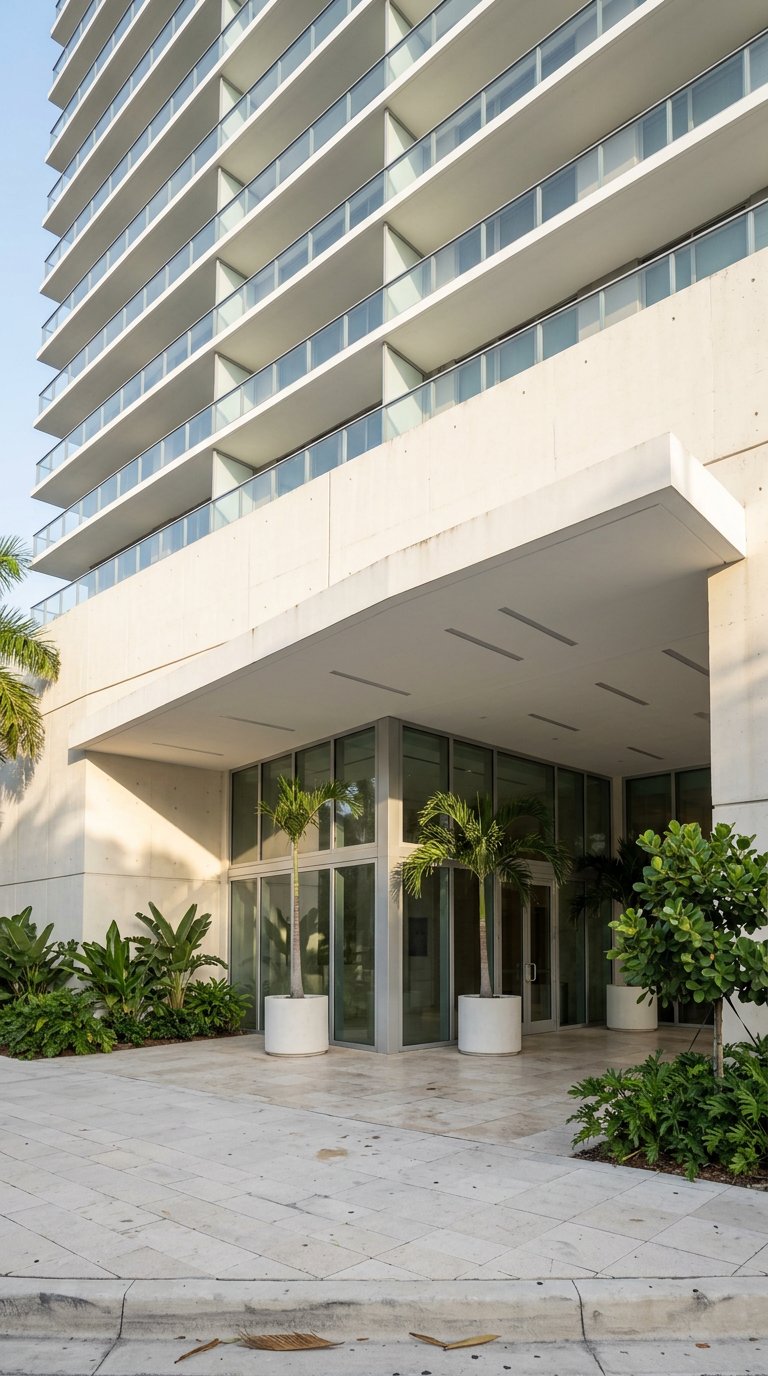
Trying to choose between Brickell and Downtown Miami for your high-rise home can feel like comparing two great options. You want walkability, a strong lifestyle mix, and the right long-term value. In this guide, you’ll get a clear, side-by-side look at day-to-day living, transit, restaurants and culture, condo types, key market signals, and buyer checklists for each area. Let’s dive in.
Brickell vs. Downtown: quick vibe and fit
Brickell at a glance
- Character: Miami’s modern financial district with dense, luxury high-rises and mixed-use retail. Everyday life clusters around Brickell Avenue and the retail core at Brickell City Centre.
- Condo stock: Many post-2000 towers with concierge-level amenities and smaller-footprint units, plus a handful of older concrete towers. Building rules and insurance vary by tower.
- Best fit: Young professionals who want short walks to offices and amenities, pied-à-terre owners who value turnkey services, and investors focused on renter demand from the finance corridor.
Downtown Miami at a glance
- Character: The historic urban core and cultural hub, including the Central Business District and adjacent subareas like Park West, Miami Worldcenter, and Museum Park. Expect a mix of older and newer towers.
- Condo stock: Wider range of ages and price points. You’ll find ultra-luxury signatures alongside older buildings that may offer lower entry prices but require closer due diligence.
- Best fit: Buyers who want museums, the arena, and large events within walking distance, plus investors seeking more price variety and potential value in older product.
Walkability, transit, and access
Both neighborhoods rank among Miami’s most walkable districts. Daily errands, coffee runs, and gym trips are often just a few minutes on foot.
- Metromover: Brickell and Downtown are linked by Miami-Dade’s free Metromover, with multiple stations across the urban core. Short hops between offices, retail, and home are simple without a car. Review stations and service on the official Metromover page.
- Metrorail connections: Brickell Station and Government Center tie you into the broader rail network and airport transfers.
- Practical takeaway: You can live a car-light lifestyle in either area. Brickell concentrates office life, while Downtown centers cultural venues and event traffic.
Dining, culture, and nightlife
- Brickell anchors: Brickell City Centre and Mary Brickell Village power a strong day-and-night dining scene under your building or a short walk away. Many towers offer on-site amenities, so your gym, spa, and pool are at home.
- Downtown anchors: Museum Park, Pérez Art Museum, the arena, and Miami Worldcenter drive a steady flow of cultural and entertainment options. Expect heavier crowds on event nights and plan accordingly.
Prices, rents, and value signals
- Rents today: In recent snapshots, Zumper shows Brickell commanding higher median rents than Downtown for comparable units. As of March 2026, Brickell sits around $4,050 per month, while Downtown is about $3,500 per month. Check live medians for Downtown and Brickell before you run numbers.
- Sales prices: Prices vary widely by building age, amenities, and views. Brickell often skews newer and amenity-rich, which can translate into a higher price per square foot versus some older Downtown buildings. Market data changes monthly, so rely on a fresh snapshot when you are ready to write an offer.
- County context: MIAMI REALTORS reports continued strength in the county-level condo market, including activity at the $1M+ level, which frames demand across urban cores like Brickell and Downtown. See the latest county trends from MIAMI REALTORS.
- Investor note: Brickell’s renter base benefits from its Class-A office core and weekday foot traffic, while Downtown’s broader age mix can offer lower entry prices in certain buildings. Always underwrite at the building level.
Office, supply, and what they mean for you
- Employment driver: Brickell remains one of Miami’s strongest Class-A office submarkets, with above-market asking rents and active leasing in recent reports. That supports steady rental demand near the towers. Review recent office trends in CBRE’s South Florida Year in Review.
- New supply: Both Brickell and Downtown continue to see new residential and mixed-use deliveries. New towers can enhance neighborhood amenities and skyline appeal, but they also add short-term competition for resales and rentals. If you plan to sell or lease soon after buying, factor pipeline timing into your strategy.
Building rules, financing, and due diligence
Older buildings can offer lower prices, but they may carry different risks and financing limits. Newer towers deliver amenities and services that many buyers love, with HOA fees to match.
- Assessments and reserves: Ask for association minutes, reserve studies, and any notices of pending special assessments. Buildings undergoing major upgrades or recertifications may have near-term costs.
- Financing eligibility: FHA/VA approval varies by building and can affect buyer pools. Lender overlays may differ, so confirm eligibility early.
- Rental rules: Review minimum lease terms, number of leases allowed per year, and any caps or waiting periods. These provisions shape both lifestyle flexibility and investment returns.
Short-term rentals: what to know
If you plan to use short-term rental income, verify rules at three levels: county, city, and condo association.
- Permits and compliance: Miami-Dade County requires a Certificate of Use and related registration for short-term vacation rentals in certain areas. Incorporated municipalities, including the City of Miami, have their own zoning and permit rules. Start with the county’s permit guidance and then check city rules and your building’s declaration and bylaws.
- Reality check: Many associations restrict short stays. Do not assume nightly or weekly rentals are allowed, even if a building is in a permissive zone.
Climate, flooding, and insurance
High-rise ownership along the coast comes with climate and insurance considerations.
- Sea-level rise: Regional planning bodies project meaningful sea-level rise over coming decades, which can increase nuisance flooding and stress street-level and garage infrastructure. Review the region’s official outlook via the Southeast Florida Regional Climate Change Compact’s unified projection. Miami-Dade planning also provides guidance on resilience and vulnerabilities.
- Building design matters: Ask where mechanicals are located, how the ground floor is protected, and what recent flood-mitigation work has been completed.
- Insurance: Property and wind coverage costs in Florida are volatile. Request estimates for the HOA master policy allocation and any required individual policies before you finalize your budget.
Who should choose what?
Young professionals
- Brickell pros: Short walk to finance-sector offices, dense dining and retail, abundant newer 1-bedroom options with full-service amenities.
- Brickell cons: Higher price per square foot, strong competition for the best small units.
- Downtown pros: Closer to cultural venues and arena, mix of unit sizes, potential value in select older buildings.
- Downtown cons: Heavier event-night crowds; check noise levels and building soundproofing.
- Quick take: If your daily routine centers on office-to-home convenience and a lively F&B scene, lean Brickell. If you want culture and broader price variety, look to Downtown.
Pied-à-terre buyers
- Brickell pros: Hotel-level services and security in many towers, easy transit connections, strong turnkey and management options.
- Brickell cons: Premium carrying costs for amenities you may use only part-time.
- Downtown pros: Walk to museums and performances, potential savings in select older buildings.
- Downtown cons: Older systems may require more oversight; vet assessments and reserves carefully.
- Quick take: For lock-and-leave ease with concierge services, choose Brickell. For culture-first stays at varying price points, consider Downtown.
Investors
- Brickell pros: Strong median rent levels and stable demand from nearby offices.
- Brickell cons: Higher acquisition cost; run cap-rate math with precision.
- Downtown pros: Broader entry prices including older buildings that can improve gross yield if well-selected.
- Downtown cons: Financing limits and higher assessment risk in some older towers; short-term rental permissions are building-specific.
- Quick take: For consistent tenant demand and higher rents on smaller units, Brickell can excel. For yield plays and price variety, Downtown offers more optionality.
Investor quick checks
- Rental policy and minimum lease term in the condo docs.
- Reserve study, recent special assessments, and upcoming capital projects.
- Flood elevation, resilience measures, and current insurance quotes.
How we define the areas
- Brickell: The modern financial and residential district south of the Miami River centered on Brickell Avenue and the Brickell City Centre retail core.
- Downtown Miami: The historic core encompassing the Central Business District and adjacent subareas such as Park West, Miami Worldcenter, and Museum Park.
If you need building-by-building guidance, we will tailor the definition to your search radius and preferred blocks.
Next steps
- Clarify lifestyle priorities: commute, dining, arts, or rental income.
- Set your purchase budget including HOA fees, insurance, and any taxes on furnishings.
- Shortlist 3–5 buildings in your target radius near a Metromover station.
- Pull live rent comps by unit size for your top buildings and timeline.
- Request HOA docs early: rules, reserves, assessments, and insurance summaries.
- Schedule on-site tours at different times of day, including an event night if Downtown is in play.
Ready to compare buildings, run numbers, and set a plan? Schedule a private consultation with Urdapilleta Real Estate. Our boutique team provides bilingual guidance, curated tours, and turnkey property management for local and international buyers.
FAQs
What is the main difference between Brickell and Downtown Miami for condo buyers?
- Brickell concentrates finance offices and luxury residential towers, while Downtown centers cultural venues and a wider mix of building ages and price points.
How does the Metromover impact daily life in Brickell or Downtown?
- The free Metromover links both neighborhoods with multiple stations, making short trips between home, work, and dining possible without a car.
Are short-term rentals allowed in Brickell or Downtown Miami condos?
- It depends on county and city rules plus your building’s condo documents; many associations restrict short stays, so verify all three before you buy.
How do older Downtown buildings compare to newer Brickell towers on financing and assessments?
- Older condos may offer lower entry prices but can face financing limits and higher assessment risk, while newer towers trade at premiums with robust amenities.
What climate and insurance factors should I review before buying a high-rise in Miami?
- Check building elevation, flood mitigation, mechanical locations, HOA and personal insurance estimates, and regional sea-level rise guidance.
Is Brickell or Downtown better for rental income on a 1-bedroom?
- Recent rent snapshots show Brickell with higher median rents, but yields depend on purchase price, HOA fees, and your specific building’s rental rules.