Torn between Coconut Grove and Coral Gables? You are not alone. Both offer beautiful streets, strong amenities, and access to Miami’s best cultural and outdoor experiences. The difference comes down to how you like to spend your mornings, where you want to unwind after work, and the kind of home that feels like you. This guide breaks down lifestyle, housing, green space, mobility, and daily rhythm so you can choose with confidence. Let’s dive in.
Neighborhood character at a glance
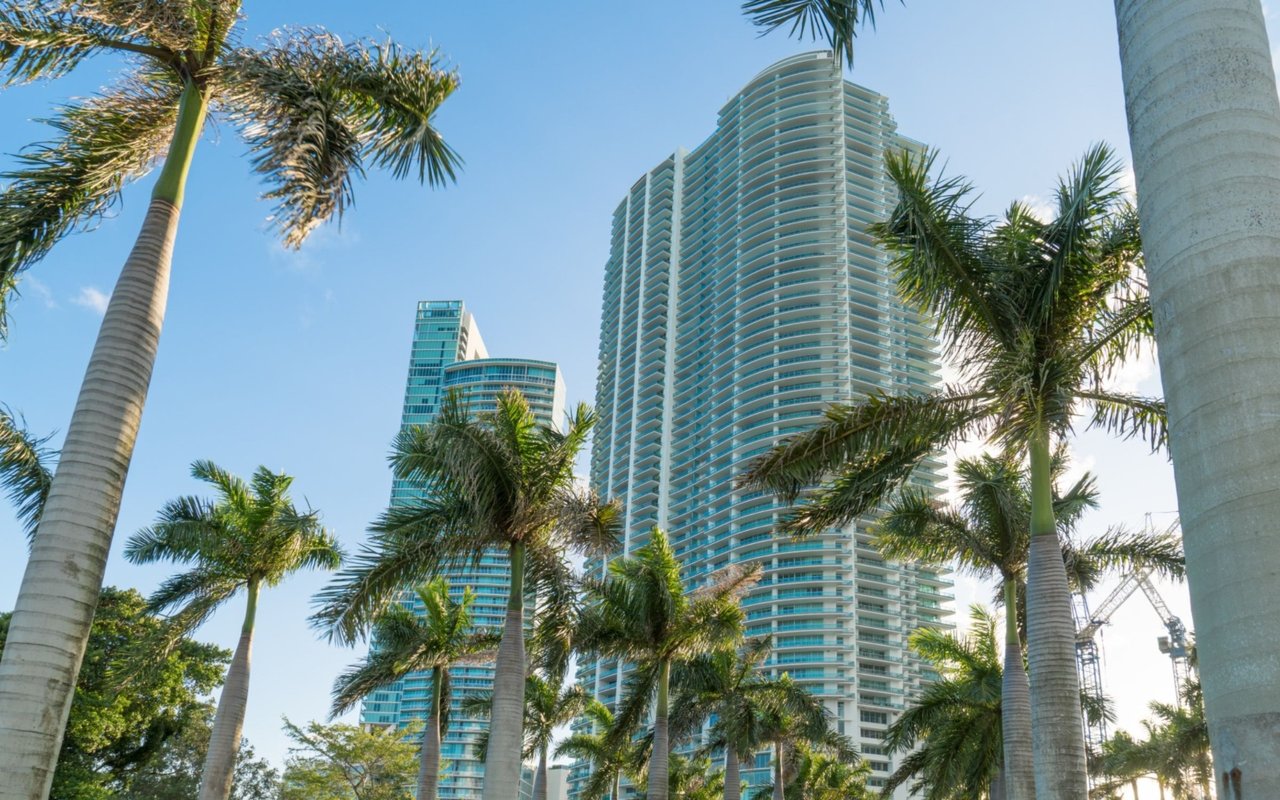
Coconut Grove sits within the City of Miami and feels like a leafy bayfront village. It blends historic cottages with modern condos and a lively commercial core around The Village and CocoWalk. You will notice an artsy, relaxed energy and a visible boating culture along the bay.
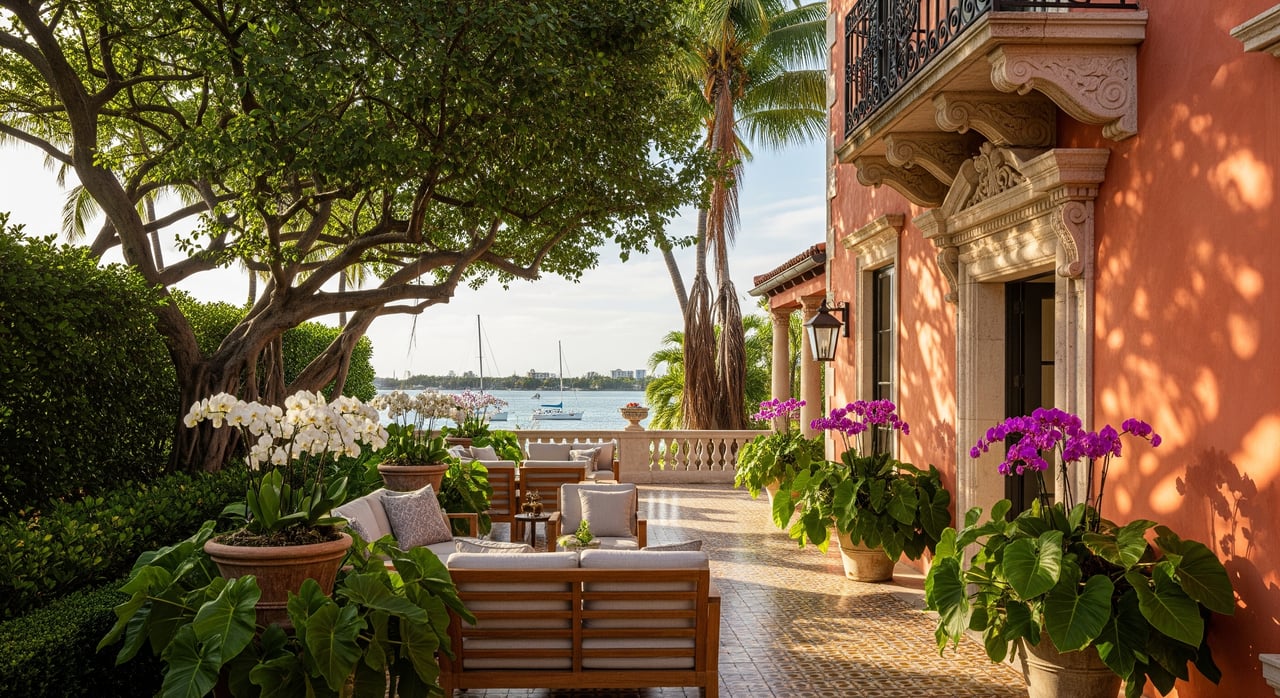
Coral Gables is its own city with formal planning, historic preservation, and a consistent Mediterranean‑inspired aesthetic. Miracle Mile anchors a classic downtown lined with shops and dining. Streets are orderly, canopied, and designed to preserve a polished, garden‑city feel.
Architecture and housing styles
Coconut Grove homes
Expect variety. You will find Florida vernacular cottages, mid‑century homes, and contemporary townhomes tucked under mature trees. Along South Bayshore Drive and by the Village, you will see mid‑rise condos and luxury bayfront residences. The mix suits buyers who want either character and history or low‑maintenance condo living near the water.
Coral Gables homes
Architecture skews Mediterranean Revival and Spanish Colonial, with stucco facades, arches, and terra‑cotta roofs. Single‑family homes and estate parcels dominate much of the city, including many preserved historic residences. You will also find boutique low‑ to mid‑rise condos near Miracle Mile and Golfview, plus select luxury waterfront properties.
Price and ownership dynamics
Historically, Coral Gables has commanded a price premium due to larger lots, single‑family inventory, and strict preservation that limits supply. Coconut Grove offers a wider spread, from very high‑end waterfront estates to more modest historic cottages and village‑area condos. If you plan to renovate, Coral Gables’ design review and historic protections can extend timelines, while Coconut Grove permitting follows City of Miami pathways that vary by property.
Green space and waterfront lifestyle
Coconut Grove outdoors
If you love the bay, the Grove puts it front and center. Sailors and paddlers launch from local marinas, and mornings fill with runners and dog walkers along the waterfront. Cultural landmarks like Vizcaya Museum & Gardens, The Barnacle Historic State Park, and the tropical collections at The Kampong shape a unique outdoor‑meets‑culture rhythm.
Coral Gables outdoors
Coral Gables emphasizes curated green spaces and bayfront parks. The expansive Fairchild Tropical Botanic Garden is a signature destination for nature lovers. Families frequent Matheson Hammock Park Wait, correct link here, adjust below. and the historic Venetian Pool for a leisurely day. Waterfront recreation is present but quieter than the Grove’s marina scene.
Note: Replace the Matheson Hammock Park link above with the correct Miami-Dade Parks page URL in final.
Commuting, transit, and getting around
Drives and transit access
Both areas connect to US‑1 and the broader network toward Brickell and Downtown. Off‑peak, you can often reach central business hubs in 10 to 20 minutes. During rush hour, plan for 20 to 40 minutes depending on traffic.
Coconut Grove benefits from the Coconut Grove Metrorail station, offering a direct rail option into the urban core. Coral Gables is served by nearby rail nodes, such as Douglas Road, with local trolleys that improve connections. For schedules and routes, review Miami‑Dade Transit’s Metrorail resources.
Walkability and cycling
Coconut Grove’s Village and bayside corridors are very walkable for daily errands, dining, and marina access. Residential pockets vary, with some areas more car‑oriented. Coral Gables has a particularly walkable downtown around Miracle Mile, along with municipal investments in safer bike and pedestrian corridors. In both neighborhoods, walking and biking are part of a healthy daily routine, especially near parks and retail cores.
Daily rhythm and amenities
Coconut Grove vibe
Daytime features café patios, local boutiques, and bayfront promenades. Evenings bring a lively restaurant scene, live music, and weekend markets. If you want a relaxed, creative vibe with immediate access to the water, the Grove fits well.
Coral Gables vibe
Days revolve around Miracle Mile’s shopping and office life, with cultural stops and manicured parks close by. Evenings tend to be refined, with destination dining and family‑friendly civic events. If you prefer a quieter, planned environment with a classic aesthetic, the Gables is a strong match.
Which neighborhood fits you?
Choose Coconut Grove if you want:
- Immediate bay access and visible boating culture.
- A walkable village core with casual, outdoor dining.
- A mix of historic cottages, townhomes, and modern condos.
- A creative, laid‑back atmosphere and frequent waterfront activity.
Choose Coral Gables if you want:
- A structured, garden‑city feel with historic charm.
- Tree‑lined boulevards and a polished downtown on Miracle Mile.
- Larger single‑family lots and preserved architectural styles.
- Curated green spaces, botanical gardens, and a quieter shoreline scene.
Practical buying and selling notes
- Renovations and approvals. Coral Gables’ historic and design reviews can preserve long‑term value but may add time and cost. In Coconut Grove, City of Miami processes vary by parcel and designation. Ask about overlays, permits, and review timelines before you bid.
- Condo versus single‑family. The Grove offers more mixed condo inventory near the village and waterfront, which can suit buyers seeking lock‑and‑leave living. Coral Gables leans toward single‑family homes and estates. In both areas, review HOA documents, reserves, and assessments to understand total monthly costs.
- Mobility and logistics. If you plan to rely on transit, prioritize proximity to Metrorail. If you drive to Brickell or Downtown, test your route during rush hour and confirm workplace parking. For frequent flyers, time your drive to Miami International Airport at both peak and off‑peak.
- Lifestyle alignment. If you crave marina energy and casual outdoor scenes, Coconut Grove may feel right. If you want formality, quiet streets, and consistent architecture, Coral Gables likely fits better.
When you are ready to compare specific homes, private streets, or condo stacks, our team can tailor a shortlist to your routine, commute, and weekend plans. For bilingual guidance and a seamless experience from search to closing to management, connect with Urdapilleta Real Estate.
FAQs
What is the core lifestyle difference between Coconut Grove and Coral Gables?
- Coconut Grove emphasizes bayfront activity and a casual, creative village feel, while Coral Gables offers a more formal, garden‑city environment with curated green spaces and classic architecture.
How does waterfront access compare between the two?
- The Grove has immediate marina and sailing culture along the bay, with parks and promenades at your doorstep; Coral Gables offers bayfront parks and some waterfront homes but with a quieter shoreline scene.
What are typical commute times to Brickell or Downtown from each area?
- Off‑peak trips can be about 10 to 20 minutes, while rush‑hour drives often range from 20 to 40 minutes depending on traffic, route, and incidents.
Which neighborhood is better for walking to shops and dining?
- Both have walkable cores: Coconut Grove around The Village and Bayshore, and Coral Gables around Miracle Mile. Outside those cores, walkability varies block by block.
What should I know about renovations in historic areas?
- Coral Gables’ preservation and design reviews protect neighborhood character but can lengthen timelines. In Coconut Grove, historic designations also trigger review under City of Miami rules, which differ by property.
Where can I enjoy top gardens and cultural parks nearby?
- In the Grove, visit Vizcaya Museum & Gardens, The Barnacle Historic State Park, and The Kampong. In Coral Gables, explore Fairchild Tropical Botanic Garden and the Venetian Pool.