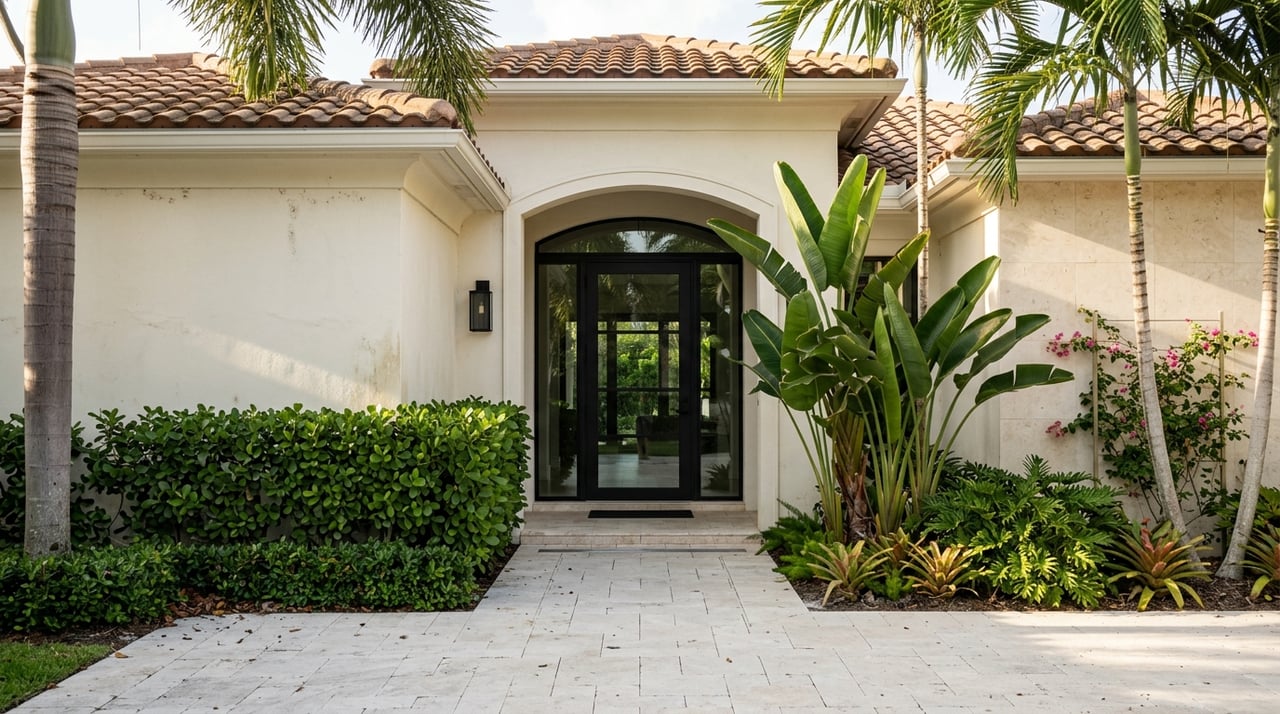
Wondering whether a condo or a house makes more sense in Miami Beach? It is a common question, and the answer is rarely just about price. In a market shaped by luxury inventory, coastal risk, and very different ownership experiences, the right fit comes down to how you want to live, what you want to manage, and what monthly costs you can comfortably carry. Let’s break it down.
Miami Beach makes this choice unique
Miami Beach is not a one-size-fits-all market. It is a barrier-island environment where property type affects not only your lifestyle, but also your ongoing costs, maintenance responsibilities, and risk exposure.
The local market also shows a clear split between condos and houses. In Q4 2025, condo median sale prices ranged from $324,500 in North Beach to $477,500 in South Beach and $555,000 in Mid-Beach, while Miami Beach Islands single-family homes reached a median sale price of $3.4 million. That gap alone explains why many buyers compare the two paths closely.
At the same time, luxury condos are a major part of the upper end of the market. The top 10 percent of Miami Beach and Barrier Islands condo sales had a Q4 2025 median of $5.1375 million, with a $3.5 million entry threshold. In other words, choosing a condo in Miami Beach does not automatically mean choosing a lower-end option.
What condo ownership means
When you buy a condo, you usually own your unit plus a shared interest in the land, common areas, and amenities. That often includes features like secure access, staffed entry, pools, fitness areas, and other shared spaces that support a more convenience-focused lifestyle.
Your monthly condo assessment generally helps cover the upkeep of communal property and, in some buildings, certain utilities. That can simplify day-to-day ownership because the association handles many building-related responsibilities that a house owner would manage directly.
The tradeoff is that condo living is more regulated. Rules may cover noise, pets, parking, renovations, and rentals, so you need to be comfortable living within a building’s framework.
What house ownership means
When you buy a detached house, you usually own both the home and the lot. That gives you more direct control over the property, including outdoor areas, landscaping, and many renovation decisions.
For many buyers, that means more privacy and more freedom. If you want a yard, a pool, a dock, or simply more separation from neighbors, a house often delivers that more naturally than a condo.
The tradeoff is responsibility. You are typically the one budgeting for repairs, maintenance, and larger capital items like roofing and exterior work. That makes house ownership feel more autonomous, but also more hands-on.
Why many buyers lean condo in Miami Beach
A condo often appeals to buyers who want a simpler routine in a high-demand coastal market. If you travel often, split time between cities, or prefer a lock-and-leave setup, a condo can be a very practical fit.
In Miami Beach, condos also tend to offer strong location efficiency. Because they are vertical properties, they often provide easier access to high-floor ocean, bay, or skyline views that are harder to match in a detached home.
Current market conditions may also give condo buyers more room to compare options. In April 2026, Miami-Dade condos had 12.9 months of supply and took 62 days from listing to contract, compared with 5.4 months of supply and 45 days for single-family homes. That suggests many condo buyers may find more inventory and more choice across submarkets.
Why many buyers lean house in Miami Beach
A house often makes more sense if your top priorities are privacy, land, and control. You can shape the property more directly, from the outdoor environment to the pace and style of improvements.
This can matter a lot in Miami Beach, where some buyers want a more independent waterfront lifestyle. A detached home may be better suited if you value private outdoor space, boating access, or simply a less structured ownership model.
There is also a governance difference. Florida’s structural reserve study rules that apply to many larger condo buildings do not apply to typical low-rise single-family ownership in the same way, which can make house ownership feel administratively simpler.
Compare the real monthly cost
The biggest mistake buyers make is focusing too much on purchase price and not enough on total monthly carry. In Miami Beach, that number matters because coastal ownership costs can vary meaningfully by location and property type.
For either option, you should look at the full picture:
- Mortgage payment
- Property taxes
- Homeowners insurance
- Flood insurance, when required or advisable
- Utilities
- Maintenance and repair reserves
- Condo assessments, if applicable
A condo with a lower purchase price may still carry a substantial monthly assessment. A house without association fees may still require higher insurance, more maintenance, and larger repair reserves. The better value is the property that fits your actual budget after every recurring cost is counted.
Flood risk matters for both
In Miami Beach, flood exposure is not a side issue. The City of Miami Beach specifically highlights vulnerability to storms and sea level rise, which makes flood awareness part of smart buying.
Before you choose a condo or a house, review the property’s flood-zone context, elevation information, and any available map documentation. Flood insurance can be a required carrying cost for borrowers with government-backed mortgages in certain flood-risk areas, and standard homeowners insurance typically does not cover flood damage.
That means flood exposure affects more than peace of mind. It can shape your monthly budget, your financing experience, and your long-term ownership costs.
Condo buyers should study building health
If you are leaning condo, building due diligence deserves extra attention. In Florida, certain condo and co-op buildings that are three stories or higher must complete a Structural Integrity Reserve Study at least every 10 years after creation, and some older buildings near the coast must complete milestone inspections.
Just as important, those records must be available to buyers. That gives you a chance to review the building’s reserves, inspection history, and signs of future capital needs before you commit.
You should pay close attention to:
- Reserve funding levels
- Structural Integrity Reserve Study records
- Milestone inspection records
- Current or possible special assessments
- Building loan or line-of-credit obligations
- Rental rules
- Renovation restrictions
- Pet, parking, and use rules
A building with a healthy current budget can still face future assessment changes. Florida law allows reserve items to be funded through regular assessments, special assessments, loans, or lines of credit, so it is worth understanding not just where the building stands today, but what costs may be ahead.
A simple way to decide
If you feel torn, start with lifestyle before price. The best Miami Beach purchase is the one that fits how you actually live, not the one that looks better on paper.
A condo may be the better fit if you want:
- Lower day-to-day maintenance
- Shared amenities
- Secure access
- A part-time or lock-and-leave lifestyle
- High-rise views and building services
A house may be the better fit if you want:
- More privacy
- Land or yard space
- Direct control over renovations
- Fewer building rules
- More independence in how you use the property
The Miami Beach answer is personal
In Miami Beach, condos usually win on convenience, amenities, and location efficiency. Houses usually win on privacy, land, and autonomy. Neither is automatically better, especially in a market where both product types can sit firmly in the luxury category.
The real question is whether you want a building-based ownership model or a land-based one. Once you compare total monthly carry, flood exposure, and the ownership experience you want day to day, the right choice usually becomes much clearer.
If you want tailored guidance on Miami Beach condos, waterfront homes, or absentee-owner strategy, Urdapilleta Real Estate can help you evaluate the options with a local, high-touch perspective.
FAQs
What is the main difference between buying a condo or house in Miami Beach?
- A condo usually offers shared amenities, building-managed common areas, and more rules, while a house usually offers more privacy, land, and direct responsibility for maintenance.
Are condos more affordable than houses in Miami Beach?
- Often, yes. Research for Q4 2025 showed Miami Beach condo medians ranging from $324,500 to $555,000 by area, while Miami Beach Islands single-family homes had a median sale price of $3.4 million.
What should condo buyers review before buying in Miami Beach?
- You should review association records, reserve funding, Structural Integrity Reserve Study documents, milestone inspection records, special assessment risk, and the building’s rental and renovation rules.
Does flood risk matter for both condos and houses in Miami Beach?
- Yes. Flood exposure can affect insurance needs, financing requirements, and monthly carrying costs for both property types in Miami Beach.
Is a condo or house better for part-time Miami Beach living?
- For many buyers, a condo is the easier fit for part-time use because it often offers lower day-to-day maintenance, secure access, and a more lock-and-leave ownership experience.