Buying a condo in Miami Beach should feel exciting, not confusing. Yet words like “reserve funds,” “milestone inspections,” and “special assessments” can raise real questions about affordability and risk. You want a clear path to a smart purchase and no surprises after closing. This guide explains how reserves and assessments work, what to look for in building documents, and how to protect your budget in Miami Beach.
Let’s dive in.
What condo reserves cover
Reserve funds are savings set aside by a condo association for major repairs and replacements. Think roof systems, elevators, façades and waterproofing, parking structures, pool decks, and central HVAC. Reserves are not for routine cleaning or day-to-day staffing. They help keep monthly dues predictable and reduce the need for surprise special assessments when big-ticket items come due.
Why reserves matter in Miami Beach
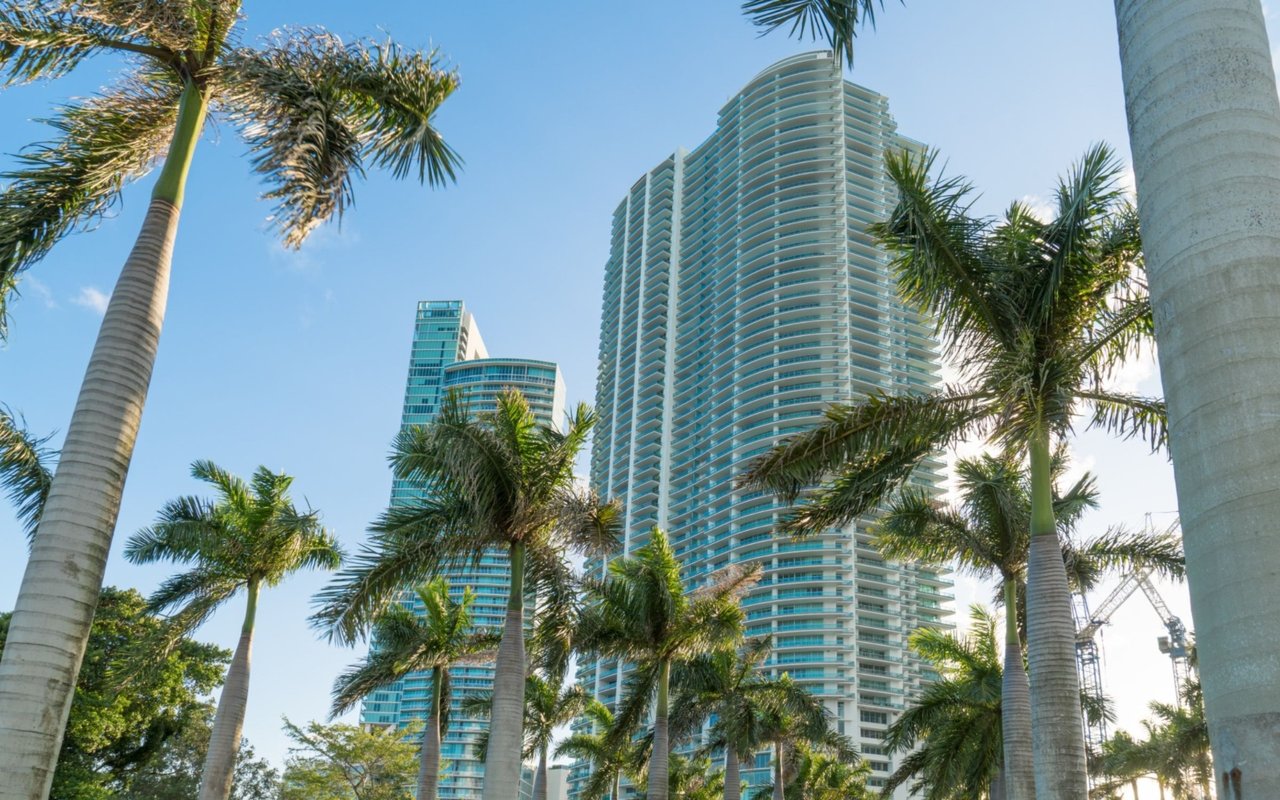
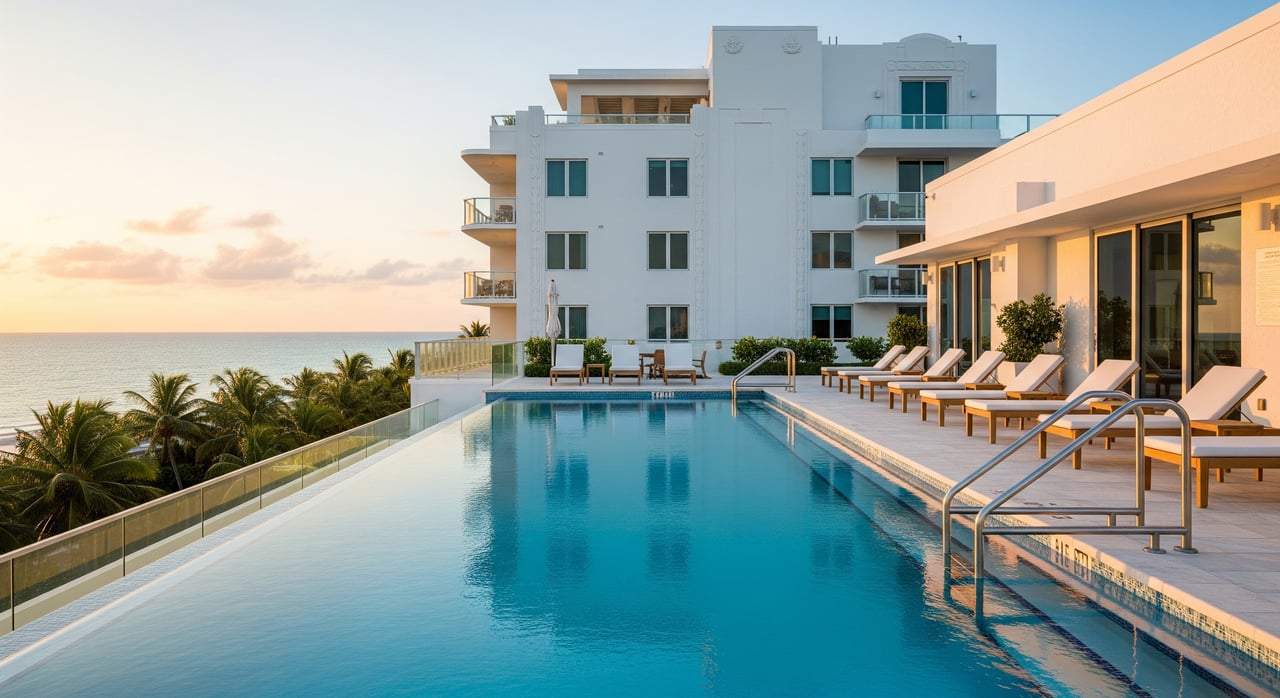
On Collins Ave and South of Fifth, many buildings face salt air, wind, and intense sun. Coastal exposure can accelerate wear on concrete, railings, windows, and parking garages. Strong reserves and a current funding plan signal a building is planning for these realities. Weak reserves increase the chance owners will need to cover costs through special assessments.
How associations plan reserves
Most associations rely on a reserve study to map out components, their useful life, and replacement costs. The study also recommends annual contributions and a funding plan. You can learn more about best practices from the Community Associations Institute guidance on reserve studies. In Florida, the budgeting and record-keeping framework for condo associations is outlined in the Florida Statutes, Chapter 718.
Special assessments, explained
A special assessment is an extra charge owners pay when the association does not have enough in the operating budget or reserves for a specific expense. This can be a planned capital project or an emergency repair. The amount each owner pays is set by the condo’s declaration and bylaws. It may be based on unit size, percentage interest, or a fixed per-unit method.
When special assessments happen
- Planned projects where reserves fall short, such as façade restoration or elevator modernization.
- Emergency repairs after sudden failures.
- Insurance events when damage exceeds policy limits or deductibles.
Before you buy, confirm whether any assessments are approved, pending, or under discussion, and whether the seller will pay them at closing.
Inspections and reports drive costs
Post-Surfside, there is greater focus on building safety and structural diligence across Miami-Dade. Aging buildings undergo periodic milestone or recertification inspections that can uncover items needing repair. These findings often inform the reserve study and the budget.
- Review local compliance and records through Miami-Dade County’s building recertification and milestone inspection program.
- Check permit history and any code issues with the City of Miami Beach Building Department.
If reports list structural, façade, waterproofing, or parking garage issues, expect a clear remediation plan and funding strategy. If the plan is unclear, you may face assessment risk.
Insurance and deductibles affect risk
Association insurance policies and deductibles matter. Wind and hurricane deductibles can be large in coastal markets. Flood coverage is typically a separate policy. When deductibles are high, owners may be responsible for significant out-of-pocket costs if a major event occurs. Ask for the master policy declarations to see coverage types, limits, and deductibles.
What to request from the association
Ask for these documents early in your review:
- Financials
- Latest audited or reviewed financial statement
- Current operating budget and the newest adopted budget
- Current reserve balance and recent reserve account statements
- Reserve study and written funding plan
- Cash flow and list of major reserve expenditures in the past 5–10 years
- Meeting records and governance
- Board and owner meeting minutes for the last 2–3 years
- Recent owner communications about capital projects or assessments
- Declaration, bylaws, rules, and any recent amendments
- Records of votes on special assessments or loans
- Engineering and projects
- Structural engineer and milestone inspection reports
- Façade, roof, parking, and waterproofing reports
- Permits and scopes for recent or ongoing capital projects
- Insurance and claims
- Master policy declarations for wind, hurricane, flood, and other coverages
- Recent insurance claims and carrier correspondence
- Legal and collections
- Pending litigation disclosures and legal expense trends
- Delinquency and foreclosure data
- Special assessment history
- Assessments levied in the last 10 years, amounts, purpose, and collection status
- Unit-specific items
- Allocation method for common expenses and any exclusive-use elements
How to read the numbers
Use these metrics to compare buildings and understand funding strength.
- Reserve balance per unit
- Reserve fund balance divided by the number of units. Higher per-unit balances can indicate better preparedness in high-cost coastal markets.
- Reserve balance vs. annual budget
- Reserve balance divided by the annual operating budget. This shows scale, not sufficiency, but helps with cross-building comparisons.
- Percent funded (from the reserve study)
- Current reserve balance divided by the “fully funded” balance based on component ages and costs. A higher number usually means less near-term assessment risk. This measure depends on study assumptions, so read the notes.
- Upcoming project timelines vs. contributions
- Compare the reserve study’s recommended contributions with what the association is actually funding. Large projects due in 1–5 years with underfunded reserves are a red flag.
- Owner delinquency rate
- High delinquencies can pressure dues or trigger assessments for paying owners.
- Insurance deductible exposure
- Large deductibles can translate to owner assessments after a loss. Know the numbers.
- Assessment and borrowing history
- Frequent or large special assessments and outstanding association loans can signal funding gaps or governance stress.
Red flags to watch for
- Very low or zero reserves in an older oceanfront building.
- Engineering or milestone reports listing structural or façade issues without a funding plan.
- Recently repeated emergency assessments or shortfall votes.
- Large wind or flood deductibles with multiple recent claims.
- High owner delinquency or foreclosure activity.
- Minutes showing deferred maintenance or surprise budget items year after year.
- Pending litigation tied to construction defects or major common area failures.
- Approved but uncollected assessments that may fall to you after closing.
A simple due diligence path for Miami Beach buyers
Confirm building age and status. Check county and city records for inspection compliance, permits, and open violations.
Request the full document set. Focus on audited financials, current budget, reserve study, engineer reports, insurance declarations, and the last 2–3 years of minutes.
Map project timelines and funding. Note projects within 1–5 years and compare recommended reserve contributions to actual contributions.
Ask direct questions. Confirm any pending or approved assessments, planned capital projects, and whether the seller will pay assessments at closing.
Model your total cost. Combine monthly dues with any likely assessment exposure and insurance risk to get a realistic budget.
Bring in specialists if needed. For substantial findings, engage engineering, legal, and insurance experts before your contingency periods lapse.
When to bring in experts
- Condominium attorney
- For voting thresholds, special assessment mechanics, owner rights, and to review litigation risk.
- Reserve specialist or structural engineer
- To validate reserve study assumptions, review inspection reports, and sanity-check project costs.
- Insurance broker with Florida coastal experience
- To explain master policy coverage and deductible exposure for wind and flood events.
- Real estate CPA or financial advisor
- For complex purchases where assessments, tax, or association debt impact the structure of your deal.
Affordability: build a realistic model
Your goal is not to avoid every assessment. It is to understand probability and scale. Take the current monthly dues, add the recommended reserve contribution trend from the study, and stress test for a plausible assessment based on the building’s project list. Then weigh insurance deductibles and prior claim activity as part of your risk profile.
In Miami Beach, buildings with up-to-date inspections and robust reserve plans often mean fewer surprises. Older coastal towers can be excellent purchases when there is a clear, funded path for work already underway.
Negotiation points that protect you
- Confirm responsibility for any approved but uncollected assessments. Clarify in the contract whether the seller will pay at closing.
- Ask about association financing. Some associations secure loans so owners can repay over time instead of all at once.
- Consider an escrow holdback or price concession for expected near-term projects.
- Request written confirmation of upcoming inspections and known remediation.
Where to verify records
- State framework for budgeting, reserves, and records: Florida Statutes, Chapter 718
- County inspections and recertification: Miami-Dade County’s program page
- Local building permits and code: City of Miami Beach Building Department
- Reserve study methodology best practices: Community Associations Institute guidance
The bottom line for Miami Beach buyers
Strong reserves, clear inspection records, and a realistic funding plan reduce risk and support long-term value. With the right documents and expert help, you can compare buildings on Collins Ave and South of Fifth with confidence and choose a home that fits your lifestyle and budget.
If you want a focused, private review of a building’s finances and inspection history before you make an offer, connect with our team. We pair luxury buyer representation with property management for seasonal and absentee owners, so you can buy with clarity and enjoy a smooth handoff after closing. Schedule a private consultation with Urdapilleta Real Estate.
FAQs
What are condo reserves and how do they affect my Miami Beach budget?
- Reserves are savings for major repairs like roofs, façades, and elevators. Strong reserves can reduce surprise assessments and help keep your monthly costs more predictable.
How do special assessments work in Miami Beach condos?
- A special assessment is an extra charge when reserves or the operating budget are not enough for a specific expense. Allocation and voting rules come from the building’s governing documents.
Which inspection records should I check for a Miami Beach building?
- Review county milestone or recertification status and permits, plus city building department records for open permits or violations. Ask the association for recent engineer and inspection reports.
How can I compare two condos on reserve strength?
- Look at reserve balance per unit, percent funded from the reserve study, upcoming project timelines, and whether actual contributions match the plan. Also review assessment history and delinquency rates.
Who pays a special assessment at closing in Florida?
- It depends on your contract and the association’s timing. Confirm any approved or pending assessments and negotiate whether the seller will pay them at closing.
Do associations in Miami Beach carry flood insurance, and does that impact me?
- Many associations maintain separate flood policies in addition to master property coverage. Review the master policy and deductibles, and consider your own unit coverage needs within those rules.