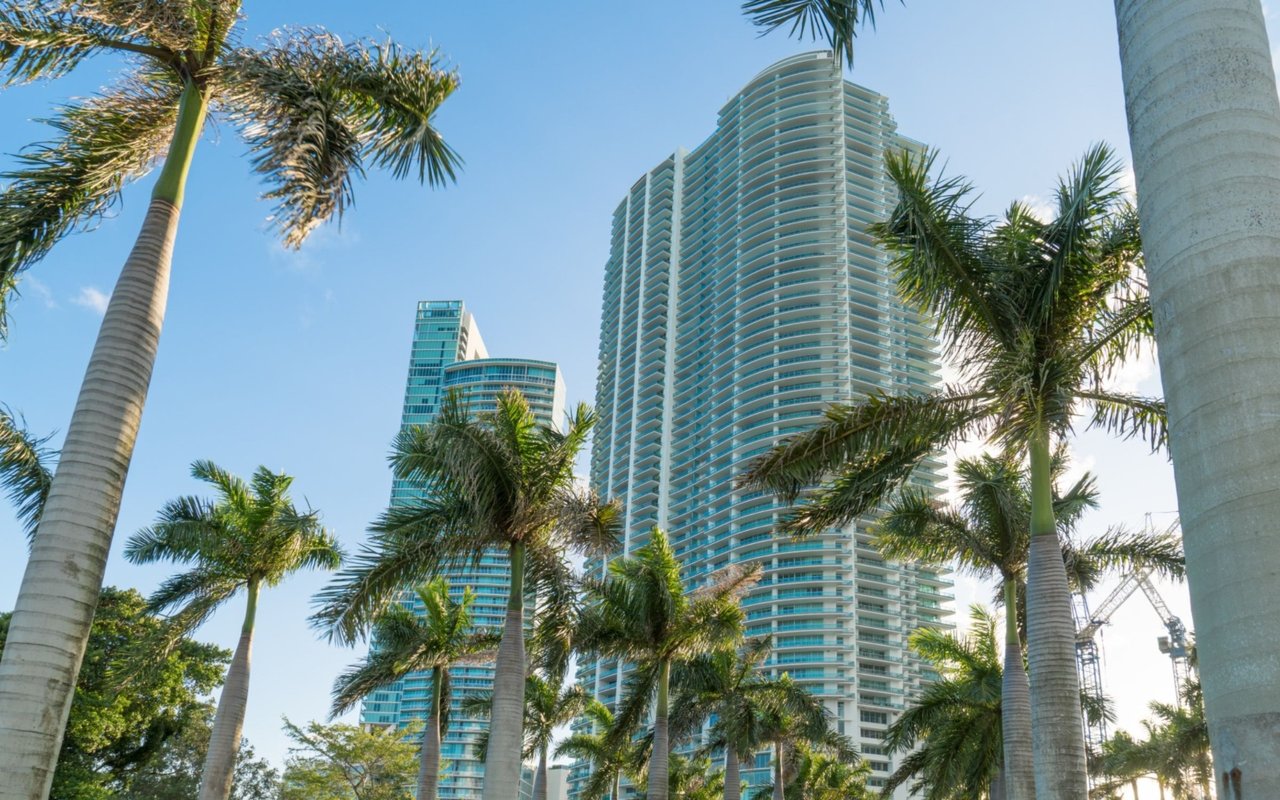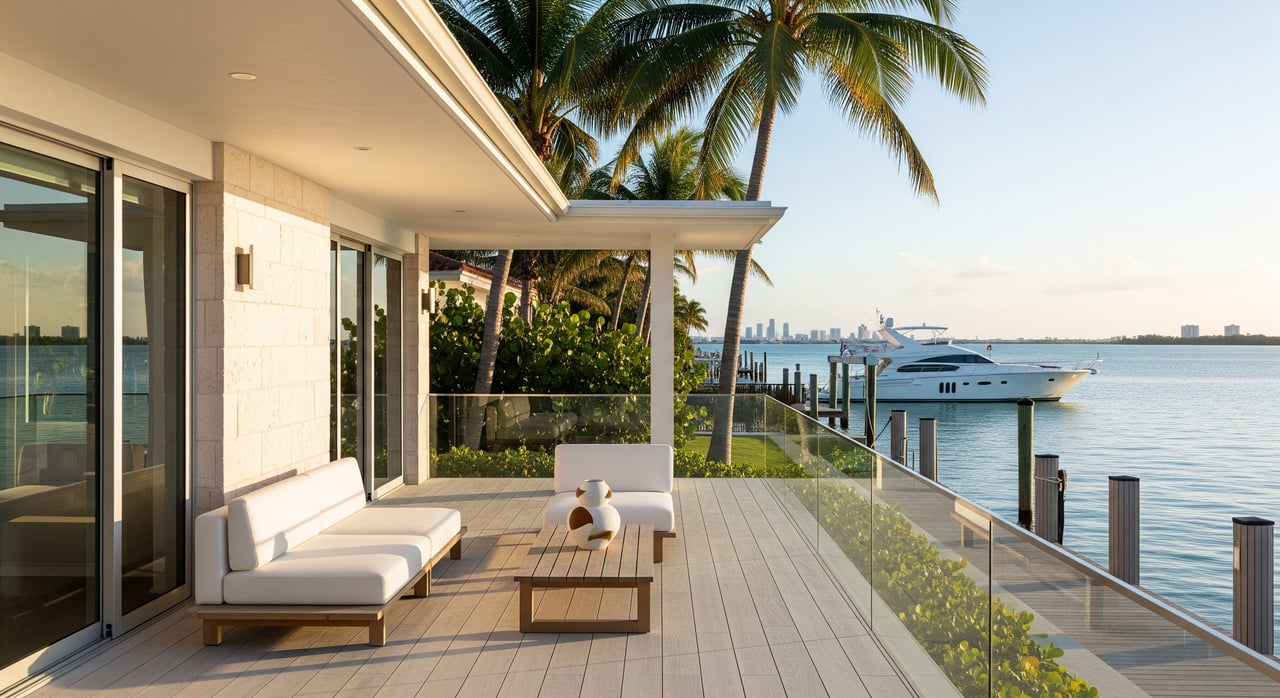
Craving island calm without giving up Miami access? Key Biscayne puts beaches, parks and everyday conveniences within a small, close-knit village. If you are weighing a move or second home here, the day-to-day details matter as much as the view. This guide walks you through commute realities, neighborhood rhythms, outdoor life, local rules and the practical costs that shape life on the island. Let’s dive in.
Key Biscayne at a glance
Key Biscayne is a barrier island village just south of Miami, connected by the Rickenbacker Causeway. You get a residential feel with two major parks at the island’s ends and a compact commercial core in the middle. The village runs its own police, fire/rescue, public works and parks programs, and it has permitting and ordinances that can differ from the mainland.
Housing spans single-family homes and luxury condominiums, with waterfront commanding a premium. Costs for housing and daily services tend to run higher than many mainland neighborhoods. Homeownership here often includes elevated wind and flood insurance compared with inland areas.
Getting around and the commute
The Rickenbacker Causeway is your lifeline to Miami. Typical drive times to downtown, Brickell and Coconut Grove range from about 15 to 40 minutes depending on traffic. Many residents leave early to avoid congestion, then return later in the day.
Public transit is limited compared with central Miami. Most people rely on cars, rideshare, biking and walking for local trips. The causeway and island paths make biking a popular option for exercise and short errands.
Daily rhythm and conveniences
Mornings often start outdoors. You will see walkers, runners and cyclists along the beach and causeway before work or school. The island’s commercial area includes grocery options, small markets, cafes, pharmacies, personal services and a mix of casual and upscale dining.
For big-box shopping or larger supermarkets, residents head to nearby mainland districts such as Coconut Grove and downtown Miami. Evenings tend to be low-key with community events, dinner with friends or a sunset walk on the beach.
Schools and everyday family life
Key Biscayne has a public K–8 school on the island. High school students typically attend Miami-Dade County public schools on the mainland. Many households also consider private or specialized schools across Miami, planning for drop-off and pick-up via the causeway.
Parks, playgrounds, youth sports and village recreation programs are a regular part of life. The scale of the island makes after-school activities and meetups simple to navigate.
Healthcare and safety
The village maintains local police and fire/rescue services for fast response. For hospitals and specialty care, you will travel to the mainland. Residents plan routine appointments around traffic and keep an emergency plan for transport across the causeway when needed.
Outdoor life: beaches, parks and water
Outdoor living defines Key Biscayne. Two signature parks anchor the island: Crandon Park to the north and Bill Baggs Cape Florida State Park to the south. Expect wide beaches, picnic areas, trails and the historic Cape Florida Lighthouse for weekend exploring.
Biscayne Bay is your playground for boating, sailing, paddleboarding, kayaking, fishing and snorkeling. Some residents keep boats on the island, while others use mainland marinas that align with their hurricane season plans and slip needs.
Nature, rules and resilience
Key Biscayne’s beaches and mangroves are part of a sensitive coastal ecosystem. During sea turtle nesting season, lighting rules and beach restrictions help protect wildlife. As a homeowner, you will want to understand exterior lighting guidelines, dunes and vegetation rules, and how they affect renovations and outdoor spaces.
Being on a barrier island means planning for storms, flooding and long-term sea-level rise. Flood zones can change with new maps and local elevation projects. Most owners prepare with impact windows, shutters, emergency kits and a clear hurricane plan.
Practical resilience checklist:
- Confirm your flood zone and talk with your insurer about coverage and deductibles.
- Budget for wind and flood insurance that may exceed inland costs.
- Use impact glass or shutters and elevate critical mechanicals where feasible.
- Maintain roofing, HVAC and exterior finishes to manage salt corrosion.
- If you own a boat, coordinate slip policies and storm protocols well before hurricane season.
What it costs to live here
Living on the island carries a premium. Beyond home prices, plan for higher line items like insurance, maintenance and some day-to-day services. Coastal maintenance is ongoing, from AC systems and roof care to metal and hardware exposed to salt air.
If you are considering rental income, know that short-term rental activity is tightly regulated by the village. Review local ordinances before you set expectations for seasonal or vacation leasing.
Is Key Biscayne a fit for you?
You get a small-community feel with quick access to Miami’s business and cultural hubs. The trade-off is planning around the causeway for work, school and medical visits. The island rewards you with daily beach time, calm evenings and easy outdoor routines.
Ask yourself:
- How often will you cross the causeway for work or school?
- Do you value quiet evenings more than a big nightlife scene?
- Are you comfortable budgeting for coastal insurance and maintenance?
- Will on-island K–8 schooling and mainland high school options work for your household?
Buyer and investor tips
- Clarify your lifestyle priorities: walkable beach access, marina proximity or quick mainland commute.
- Test drive the commute during your real work and school hours.
- Walk the commercial core to see if everyday services meet your needs.
- Review flood maps and discuss coverage with your insurance advisor before you bid.
- Check village ordinances on renovations, lighting, trees and short-term rentals.
- Budget for coastal upkeep: impact glass, shutters, roofing and HVAC servicing.
- Map health care routes and preferred hospital access on the mainland.
- If you are an absentee owner, line up reliable property management before closing.
When you are ready to explore listings, discuss off-market opportunities or set up turnkey management, connect with the local team that lives and works here every day. Schedule a private consultation with Urdapilleta Real Estate.
FAQs
How close is Key Biscayne to downtown Miami for commuters?
- Typical drive times to downtown, Brickell and Coconut Grove range from about 15 to 40 minutes depending on traffic.
What everyday shopping is available on the island?
- You will find groceries, pharmacies, cafes, services and restaurants on the island, with larger retail and big-box stores on the nearby mainland.
Where do students go to school if we live on Key Biscayne?
- There is a public K–8 school on the island, while most high school options are on the mainland through Miami-Dade County or private schools.
What are the main outdoor attractions on Key Biscayne?
- Crandon Park and Bill Baggs Cape Florida State Park offer beaches, trails, picnic areas and access to water activities like paddleboarding and kayaking.
How do storms and flooding affect daily life on the island?
- Residents prepare for hurricane season with impact protections, insurance planning and clear evacuation or shelter plans, and they monitor flood zone updates.
Are short-term rentals allowed on Key Biscayne?
- Short-term rentals are tightly regulated by the village, so review local rules before planning any seasonal or vacation rental activity.