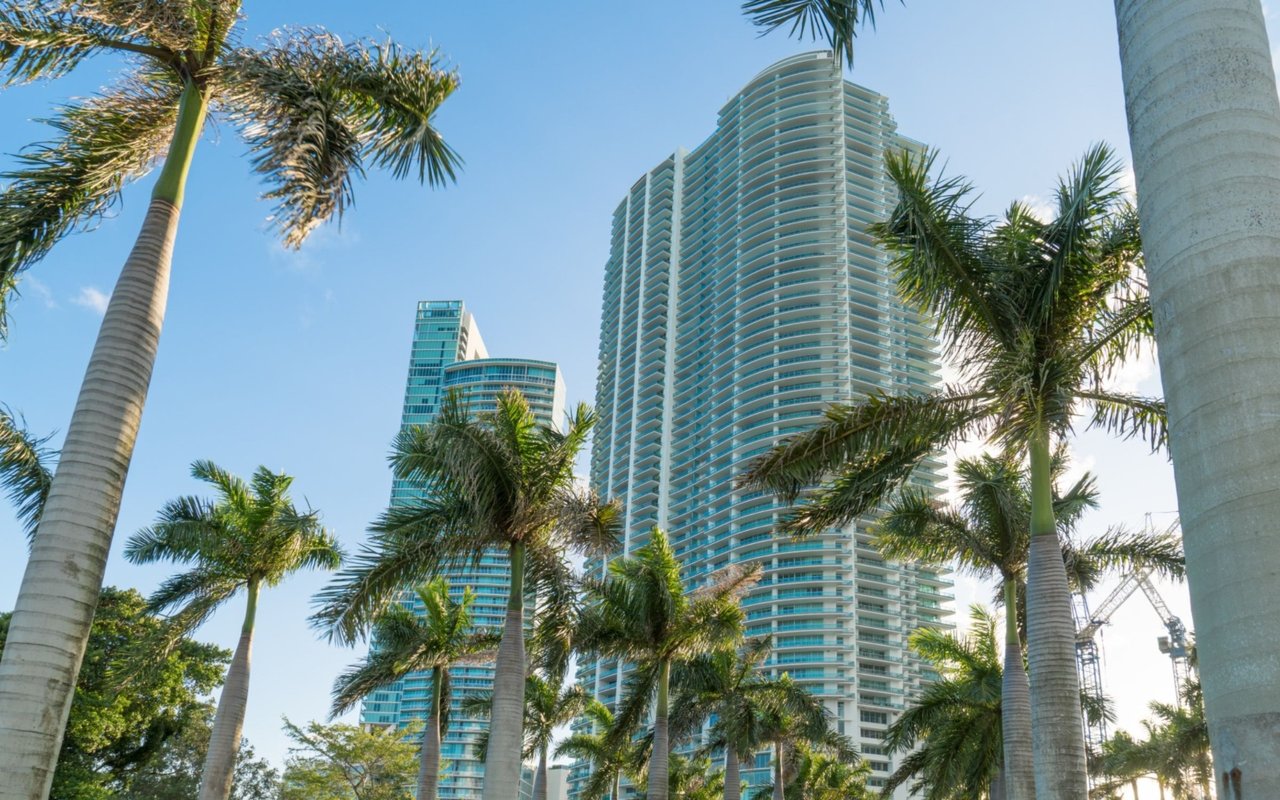
Thinking about a new glass tower near Biscayne Boulevard or an established condo in the heart of Downtown? You are not alone. Many buyers weigh the appeal of brand‑new amenities against the certainty of a finished building and a quicker move‑in. In this guide, you will learn how preconstruction and resale paths differ on deposits, timelines, incentives, risks, and local Downtown Miami factors so you can choose with confidence. Let’s dive in.
Preconstruction vs resale at a glance
Timing and certainty
- Preconstruction: price set at contract, but delivery can slip and usually takes longer.
- Resale: faster closings, often 30 to 90 days, and you can see the finished product.
Upfront capital vs total cost
- Preconstruction: staged deposits over time and a larger percentage due before closing.
- Resale: smaller earnest deposit until closing, when down payment and closing costs are due.
Price trajectory and risk
- Preconstruction: potential paper appreciation before delivery, but exposure to market swings or project issues.
- Resale: price reflects today’s market with fewer construction‑phase variables.
Incentives and concessions
- Preconstruction: developers may offer upgrades, credits, or financing concessions.
- Resale: concessions exist but are usually smaller and one‑off.
Building risk vs building history
- Preconstruction: you rely on the developer’s track record and financing.
- Resale: you can review financials, reserves, maintenance history, and actual occupancy.
Deposits and payment schedule
Preconstruction
- Expect a reservation deposit, often 1% to 5%, to hold a unit while the contract is prepared.
- Contract deposits are staged and commonly total 10% to 30% of the price before closing. The exact schedule varies by project.
- Confirm the escrow agent, refund triggers, and whether deposits earn interest.
Resale
- Earnest money is often 1% to 5% at contract, with the balance and closing costs due at closing.
- Your funds are tied up for a shorter period than with a long preconstruction timeline.
Practical tip: Always clarify deposit refundability and escrow terms in writing. Work with a Florida real‑estate attorney to review the contract and any addenda.
Timelines and schedule risk
Preconstruction
- High‑rise projects in dense urban settings often take 24 to 48 months from groundbreaking to certificate of occupancy.
- Delays are common. Contracts may include remedies, but terms vary.
Resale
- Most closings occur within 30 to 90 days, depending on financing and contingencies.
Planning insight: If your housing needs are time‑sensitive, resale often provides more certainty. If you are flexible on timing and focused on new construction, budget for potential delays.
Incentives and concessions
Preconstruction developers may offer:
- Unit upgrades or finish packages, closing cost credits, temporary HOA credits, parking or storage, rate buydowns, or limited rental guarantees.
- Incentives tend to be stronger in softer market phases or later sales stages.
Resale sellers may offer:
- Closing cost assistance, credits for inspection items, or short‑term rate buydowns.
Evaluate the real value. Put a dollar figure on incentives, and confirm what is included in the base price versus priced as an upgrade.
Carrying costs and ongoing expenses
Before preconstruction closing
- Your staged deposits have an opportunity cost while the building is under construction.
- Mortgage payments typically start at closing. Some contracts may include small interim fees for amenities before turnover. Confirm what applies.
After closing on either path
- Budget for monthly HOA fees, property taxes, wind and flood insurance, special assessments, utilities, and any parking or storage fees.
Compare documents. For resales, review current operating budgets and reserve studies. For new projects, ask for the pro forma HOA budget, expected assessments, and the timeline for transition to owner control.
Downtown Miami factors that matter
Flood and sea‑level exposure
Downtown Miami and the Biscayne corridor face tidal and nuisance flooding in certain areas. Check the building’s flood zone designation, elevation of entrances and garages, and any local mitigation infrastructure. Lenders may require flood insurance depending on the zone.
Windstorm and insurance costs
Florida’s wind and property insurance markets have been volatile. Higher premiums and deductibles can impact HOA budgets and owner costs. Verify association policy limits and deductibles when you review documents.
Building safety and reserves
Post‑Surfside, buyers and lenders place more weight on structural reports, maintenance history, and reserve adequacy. Expect more engineering reviews and potentially higher reserve funding. For resales, study recent minutes and assessments. For new projects, understand warranty coverage and the punchlist process.
Supply pipeline and views
Downtown sees waves of new towers. Pipeline timing can influence incentives and absorption. If views and light are priorities, evaluate adjacent sites and planned projects that could change the outlook from your unit.
Transit, walkability, and lifestyle
Preconstruction buyers should map proximity to Metromover, Metrorail, Bayfront Park, and commercial corridors to understand daily life. With a resale, you can experience the existing streetscape, occupancy patterns, and amenity use firsthand before you commit.
Taxes and municipal assessments
Ask about planned city and county infrastructure projects, such as seawalls or drainage upgrades. These can show up as taxes or HOA assessments over time.
Rental rules and income plans
Downtown’s rental market is active, but building rules vary. Confirm lease minimums, short‑term rental policies, and any licensing requirements if you plan to rent.
Who each path fits
Preconstruction may suit you if:
- You value new finishes, modern amenities, and the chance to customize selections.
- You can place larger deposits over time and are comfortable with delivery risk.
- You have flexibility on timing and see potential upside by the time of completion.
Resale may suit you if:
- You want certainty on timing and the ability to inspect a finished unit and building.
- You prefer established HOA financials and a track record of maintenance.
- You want to move in or lease with minimal delay.
Due diligence checklists
Preconstruction buyer checklist
- Verify the developer’s identity, local track record, and any litigation history.
- Ask for evidence of construction financing and the lender’s identity.
- Review with counsel: purchase agreement, deposit schedule, refund provisions, assignment rules, escalation clauses, and default remedies.
- Request the declaration, bylaws, sample HOA budget, expected fees, and planned reserves.
- Confirm permits and approvals status and the construction milestone timeline.
- Understand builder warranties and punchlist procedures.
- Verify escrow agent details and deposit handling, including refund triggers.
- Clarify insurance coverage during construction and at turnover.
Resale buyer checklist
- Order title search and survey. Request the association estoppel or resale certificate.
- Review bylaws, declaration, recent minutes, budgets, audited financials, and reserve studies.
- Confirm master insurance coverage, including wind and hurricane deductibles.
- Ask about current or planned special assessments and any litigation.
- Hire an inspector familiar with high‑rise systems and common local issues such as concrete spalling and waterproofing.
- Check elevator logs, roof and terrace work, plumbing, and HVAC history if available.
- Confirm deeded parking and storage rights, and any lease terms tied to parking.
- Evaluate flood zone data, elevation, and insurance needs.
How we can help
Choosing between preconstruction and resale in Downtown Miami is as much about risk and timing as it is about lifestyle. You deserve clear answers, careful document review, and a plan that fits your goals. At Urdapilleta Real Estate, you get founder‑led guidance, bilingual support, and investor‑minded service that continues after closing through integrated property management for absentee owners. If you are comparing towers or mapping the best value among established buildings, our team will help you navigate deposits, incentives, HOA reviews, and rental policies with confidence.
Ready to talk through your options in Downtown Miami? Schedule a private consultation with Urdapilleta Real Estate.
FAQs
How much deposit do I need for a preconstruction condo in Downtown Miami?
- Expect a reservation of about 1% to 5%, with staged contract deposits commonly totaling 10% to 30% before closing, subject to your specific contract.
How long does preconstruction delivery usually take?
- High‑rise projects often need 24 to 48 months from groundbreaking to certificate of occupancy, and delays are possible.
Are preconstruction deposits refundable in Florida?
- Refundability depends on the contract. Some deposits are refundable up to certain milestones, while others are limited to specific conditions. Have an attorney review the terms.
What are the main risks of buying a new tower downtown?
- Key risks include construction delays, project financing issues, market changes before completion, finish substitutions, and unforeseen assessments, along with local flood and insurance factors.
What are the advantages of buying a resale condo downtown?
- You gain quicker occupancy, visibility into real HOA financials and building condition, and a more predictable near‑term cost profile.
Can I rent out my Downtown Miami condo if I buy?
- Many buildings allow leases, but rules vary on minimum terms and short‑term rentals. Confirm building policies before you buy, especially if you plan to generate income.