Thinking about selling your Key Biscayne waterfront home? You know buyers come for the views and boating, but they stay for peace of mind. Pricing by water type, documenting dockage, and launching during the winter high season can make a real difference. In this guide, you will learn how to price strategically, prepare your property for peak demand, and market confidently to international buyers. Let’s dive in.
Know your waterfront value
Water type and pricing
Water type is a primary pricing lever in Key Biscayne. Oceanfront usually commands the highest premiums when you have private, titled beach frontage and managed erosion risk. Bayfront offers open-bay views and protected water, which many boaters prefer for practical access and sunsets. Canal-front values vary based on canal depth and width, direct access to open water, and dock capacity. Partial water views carry smaller premiums and appeal to buyers who prioritize the residence over direct water use.
Dockage and seawalls
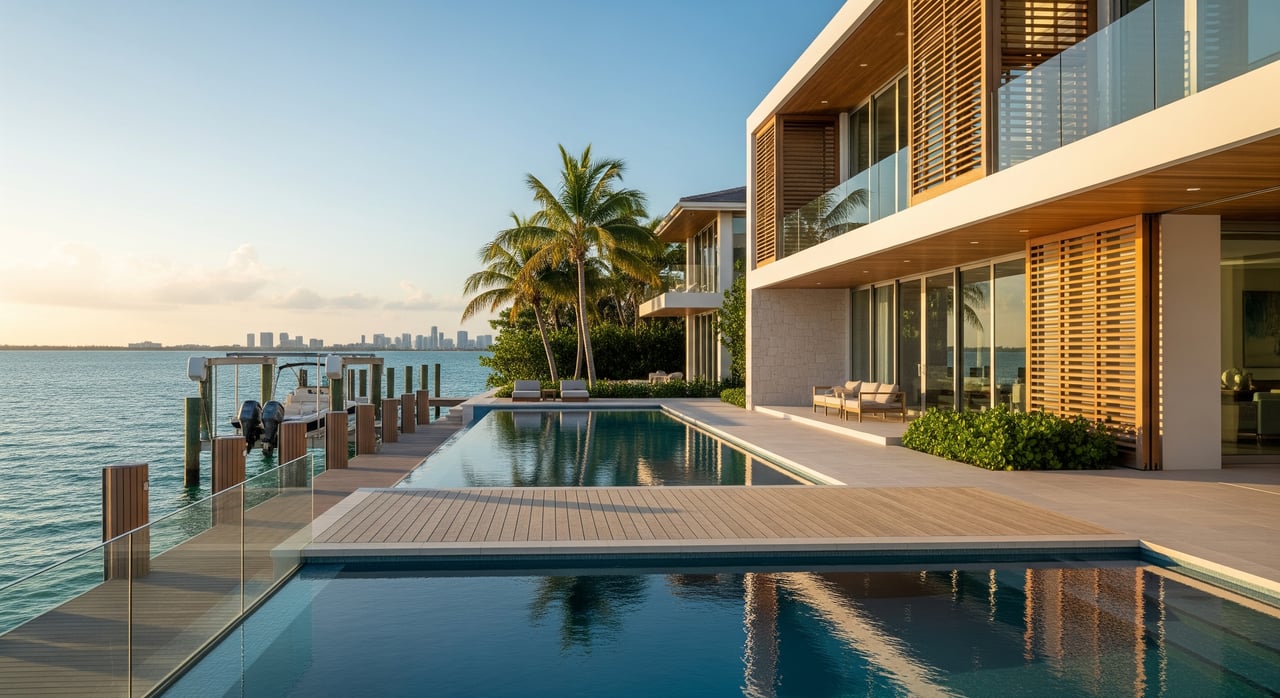
Dock capability can be the single biggest driver for boating buyers. Be ready to share the maximum boat length your dock can handle, the water depth at low tide, and lift capacity. Document pile and decking materials, electrical and water hookups, and any easements or riparian rights.
Confirm status with the Village of Key Biscayne and other agencies before listing. Review local rules via the Village of Key Biscayne building department and, for structures in navigable waters, check U.S. Army Corps of Engineers permitting guidance. If you have navigability questions, consult NOAA nautical charts for local waterways and depths.
Flood, elevation, and insurance
Buyers will ask about FEMA flood zones, elevation certificates, and flood insurance history. You can look up maps and guidance through the FEMA Map Service Center flood maps. Many buyers also review future risk tools such as the NOAA Sea Level Rise Viewer. If you have an elevation certificate and documented insurance premiums, include them in your listing packet to reduce uncertainty.
Time your sale for winter
South Florida’s peak activity typically runs from November through April, when seasonal and international buyers are in market. Listings that launch just before or during this window often capture higher-quality traffic. For planning, keep an eye on local reports from the Miami Association of REALTORS market reports to align with demand.
Launch timeline
- Eight to ten weeks before listing: schedule marine, roof, and systems inspections; complete minor dock and seawall repairs.
- Four to six weeks out: finalize staging, order photography and drone, and build your property dossier for showings.
- One to two weeks out: soft-launch to qualified buyers and international partners, then go live at the start of a high-traffic week.
Stage for waterfront lifestyle
Exterior and dock
- Pressure-wash dock, seawall, pavers, and exterior surfaces to remove salt and mildew.
- Repair handrails, decking, lighting, and cleats. Secure loose lines.
- Stage outdoor living zones with weather-resistant furniture oriented to the water.
- Prune palms, remove dead growth, and add potted greenery for contrast.
Interior and features
- Arrange furniture to open view corridors and clear balcony doors.
- Neutralize décor with light fabrics and coastal neutrals to brighten spaces.
- Compile a feature sheet on hurricane-resilient elements such as impact glass, rated doors, roof details, and generator.
- Create a “water-use” packet with dock specs, lift capacity, seawall documents, and navigation notes.
Photography and media
- Hire a waterfront-savvy photographer and include images by land and by water.
- Use a licensed drone operator following FAA Part 107 rules.
- Capture boat-based and twilight shots timed to calm water and sunset. Provide a floor plan and a high-quality 3D or virtual tour for remote buyers.
Build a data-driven price
Your best comps are recent sales of the same water type within Key Biscayne, ideally on the same side of the island. Adjust for usable frontage, view quality, dock length and depth, lifts, seawall condition, and direct bay access. Account for FEMA flood zone, elevation, and actual insurance premiums when they differ meaningfully from comps.
Document your pricing analysis with public records and local market data. Confirm parcel details and closed sales through the Miami-Dade Property Appraiser, and track seasonality with Miami Association of REALTORS market reports. When comparable sales are limited, add nearby coastal neighborhoods with similar water exposure and adjust carefully for differences.
Market to international buyers
Key Biscayne attracts buyers from across Latin America, Europe, Canada, and the U.S. northeast. Tailor your outreach with multilingual materials, virtual showings that fit multiple time zones, and targeted campaigns during the fall and winter months in source markets. For broader perspective on buyer origins, review NAR research on international buyers.
Channels that work
- Luxury broker networks and international affiliates for high-touch referrals.
- MLS syndication paired with targeted, multilingual digital ads.
- Bilingual listing materials in Spanish and Portuguese where appropriate.
- Live video previews and 3D tours for buyers abroad.
Logistics and closing
International buyers may use U.S. financing or pay cash, and their timelines can be influenced by currency transfer procedures and bank compliance checks. Work with a title company and closing attorney experienced in inbound international transactions. Prepare for extended deposit clearance timing and factor this into contract dates. If your transaction involves dock structures, confirm permit status with the Village and, if relevant, the U.S. Army Corps of Engineers.
Seller checklist
- Gather title, survey, all dock and seawall permits, and recent marine contractor reports.
- Schedule a dock and seawall inspection and obtain a concise repair estimate if needed.
- Update your elevation certificate and note current flood insurance premiums using the FEMA Map Service Center as a reference.
- Complete targeted improvements such as pressure washing, landscape refresh, and minor dock fixes.
- Order professional photos, drone media, and a virtual tour.
- Assemble a water-use packet with dock specs, lift capacity, navigation notes, and proximity to marinas.
- Coordinate with closing counsel experienced in international transactions.
- Select a marketing plan that includes luxury networks and bilingual outreach.
Buyer questions to expect
- Is the dock permitted, and what is the maximum boat length and draft?
- What is the seawall’s condition and replacement history?
- What is the FEMA flood zone and typical flood insurance cost?
- Are there any easements or community dock rules?
- How close are navigation channels, and are there bridge clearance limits?
- What hurricane mitigation features are in place?
Next steps: private valuation
If you are considering a sale this winter, a confidential valuation will help you calibrate price, timing, and prep. A specialist should account for water type, dockage capacity, seawall condition, flood risk, and seasonality. A discreet, data-backed plan can also map your international marketing strategy and showing logistics.
If you would like a confidential, data-driven valuation and a tailored winter listing plan, connect with Urdapilleta Real Estate. Our founder-led, bilingual team can review comps, organize dock and seawall documentation, and prepare a marketing approach that reaches qualified local and international buyers. Schedule a private consultation.
FAQs
When is the best time to list in Key Biscayne?
- Late fall through spring is the peak season for buyer activity, aligning your launch with higher-quality traffic.
How do dock size and depth affect my price?
- Usable slip length, water depth at low tide, and lift capacity can significantly influence value for boating buyers.
What permits matter before selling a waterfront home?
- Confirm local permits for docks and seawalls, and check any applicable federal or state requirements for structures in navigable waters.
How can I verify my flood zone and insurance needs?
- Use FEMA flood maps, update your elevation certificate, and share current flood insurance premiums with buyers.
What international marketing reaches qualified buyers?
- Multilingual materials, luxury broker networks, targeted ads in source markets, and virtual showings help engage serious international prospects.