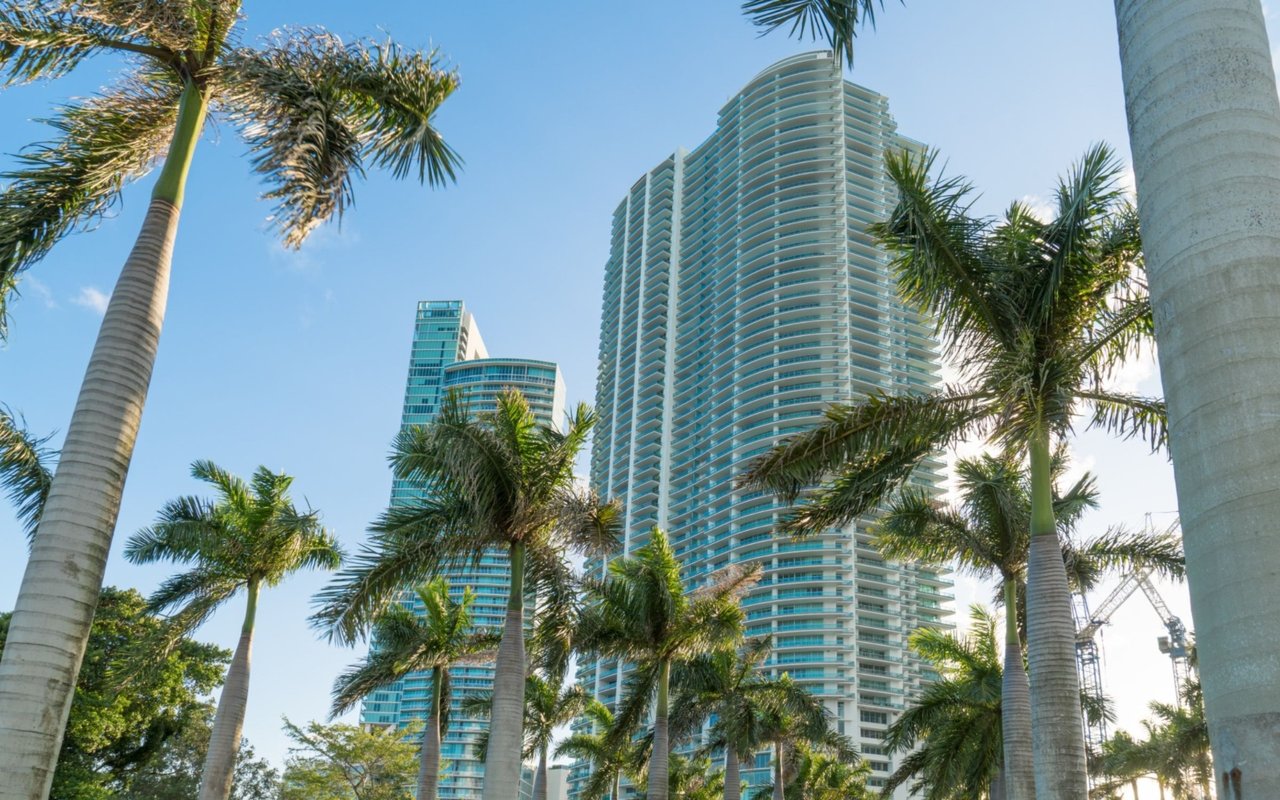
If you are shopping for a condo in Downtown Miami, the list price is only part of the story. Monthly dues, insurance, utilities, parking, and possible assessments can change what a unit really costs to own from one building to the next. When you understand those numbers early, you can compare options with more confidence and avoid surprises later. Let’s dive in.
Why Downtown Miami condo costs vary
Downtown Miami is a high-rise market, and that matters. Greater Downtown has more than 39,000 condo units, with Brickell and Edgewater making up more than 60% of the area’s condo inventory, so many buyers are comparing full-service towers rather than lower-service buildings.
That means your monthly ownership costs often reflect more than your unit alone. Staff, elevators, shared systems, amenity upkeep, insurance, and reserve funding all play a role in what you pay each month.
The true cost of a Downtown Miami condo
The easiest way to think about condo ownership is as a carrying-cost stack. In Downtown Miami, the core categories are usually association dues, unit-owner insurance, utilities, parking, and reserve-related assessments.
These categories stay fairly consistent, but the actual numbers are highly building-specific. A listing’s monthly figure can be a starting point, but it should never replace the condo documents.
Association dues: the biggest monthly line item
For many buyers, association dues are the first surprise. Recent local reporting placed Miami-Dade’s median monthly condo association fee at $900 in spring 2024, while Redfin’s Miami metro figure was $835 in summer 2024.
For taller buildings, the number can be much higher. A 2025 South Florida high-rise benchmark found average monthly assessments above $1,900 in buildings of at least seven stories.
What association dues often cover
Association dues commonly pay for:
- Building repairs and maintenance
- Operating costs
- Building staff and personnel
- Amenities
- Landscaping
- Sometimes utilities such as water or cable TV
What is included depends on the building. One tower may include water, trash, and cable, while another may bill some of those costs separately.
Why dues have been rising
In South Florida high-rises, insurance, personnel, and reserve funding have become major drivers of higher assessments. A 2025 benchmark found that insurance averaged $377 per unit per month, while reserves accounted for 12 cents of every HOA budget dollar, up from 9 cents in 2024.
For you as a buyer, that means a building with strong services may also come with stronger monthly obligations. In Downtown, that tradeoff is common.
Insurance: what the association does not cover
A common mistake is assuming the building’s master policy covers everything inside your unit. In Florida, a condo unit-owner policy, often called HO-6, covers personal property and certain interior items that are not insured by the association’s master policy.
According to the Florida Chief Financial Officer’s consumer guide, the master policy cannot cover items such as floor, wall, and ceiling coverings, appliances, built-ins, and window treatments. That is why your own policy is an important part of the budget.
One detail buyers should know
Florida’s guide says HO-6 policies must provide at least $2,000 of loss-assessment coverage. That matters because if the association faces a covered loss and passes part of the cost to owners, your policy may help depending on the situation and your coverage.
Insurance costs can feel especially heavy in taller and coastal-influenced buildings. Even when a Downtown tower is not directly on the ocean, higher maintenance, insurance, and reserve burdens can still affect the total cost of ownership.
Utilities: never assume what is included
Utilities are another area where buyers can misread the real monthly cost. Some buildings include certain utilities in dues, and others do not.
If water and sewer are billed directly, Miami-Dade’s 2025-26 residential schedule lists a 5/8-inch meter monthly water charge of $5.06 plus usage charges, along with a wastewater base facility charge of $8.61 plus usage. Still, those county rates are only part of the picture because condo billing can vary based on how the building is set up.
Utilities to verify before you buy
Ask exactly which of these are included in dues:
- Water
- Sewer
- Trash
- Cable TV
- Internet
This is one of the simplest ways to make an apples-to-apples comparison between two Downtown condos.
Parking and storage can add more than expected
In Downtown Miami, parking is not always bundled into the unit. If a condo does not include a deeded or assigned space, you may need to budget for off-site parking or separate building arrangements.
Miami-Dade downtown garages charge a $74.90 monthly parking pass, which provides a useful benchmark for off-site parking. If you need more than one space, or if you want storage in addition to parking, your monthly carrying costs can climb quickly.
Special assessments and reserves matter more than ever
For many buyers, this is the most important part of the conversation. A condo with a manageable monthly fee can still become expensive if reserve funding is weak or a special assessment is pending.
Florida now requires a structural integrity reserve study at least every 10 years for residential condominium buildings that are three habitable stories or higher. Existing owner-controlled associations were due by December 31, 2025, with some allowed to complete the study alongside a milestone inspection by December 31, 2026.
What milestone inspections mean
Milestone inspections are required by the 30-year mark, or by the 25-year mark in some coastal circumstances. The reserve study must account for regular assessments, special assessments, lines of credit, and loans.
This is why buyers should look beyond today’s dues. The financial health of the building can shape your costs for years after closing.
The real risk of underestimating assessments
Local reporting has documented owners facing monthly special assessments, with potential exposures of $50,000 to $150,000 in stressed buildings. Not every building faces that kind of pressure, but the risk is serious enough that it should be part of your due diligence.
A lower monthly fee is not always a bargain. In some cases, it may simply mean the building has postponed costs rather than solved them.
How Downtown compares with other Miami condo corridors
Downtown sits inside a broader Greater Downtown high-rise ecosystem that includes Brickell and Edgewater. The Miami Downtown Development Authority reports that Edgewater leads in average sale price per unit at over $1 million, while Brickell commands the highest land prices.
That context helps explain why buyers often see strong service expectations and meaningful reserve pressure across this part of Miami. These are vertical, service-heavy buildings with shared systems that are costly to run and maintain.
Compared with oceanfront corridors such as Miami Beach and Sunny Isles, Downtown towers may face less direct coastal-cost pressure. An FSU study of post-Surfside condo markets found that coastal condos tend to have higher maintenance, insurance premiums, reserve contributions, and overall user costs than inland condos.
Still, Downtown is not low-cost just because it is more inland. Urban high-rise staffing, common systems, and amenity upkeep can keep ownership costs high even away from the beachfront.
What to review before you make an offer
When you are serious about a condo, documents matter more than averages. Neighborhood benchmarks can help set expectations, but they cannot tell you what is happening inside a specific association.
Ask for these items before treating a listing’s monthly cost as final:
- Current association budget
- Last 12 months of HOA meeting minutes
- Most recent reserve study
- Milestone or structural inspection summary
- Master policy declarations
- HO-6 insurance requirements
- Any current or pending special assessments
- Parking and storage rules
- A clear list of utilities included in dues
Why this checklist matters
These records help you understand three things clearly:
- What the association is responsible for
- What you must insure yourself
- Whether future reserve funding could lead to higher assessments or loans
That clarity can protect both your budget and your peace of mind.
A simple way to evaluate total condo cost
When comparing Downtown Miami condos, try looking at each option through the same lens. Focus on the full monthly and long-term ownership picture, not just the asking price.
A practical framework includes:
- Mortgage payment, if financing applies
- Association dues
- HO-6 insurance
- Utilities not included in dues
- Parking or storage costs
- Current or possible special assessments
This approach helps you compare buildings more realistically. It can also reveal when a condo that looks less expensive upfront may actually cost more over time.
The bottom line for Downtown Miami buyers
The true cost of a Downtown Miami condo is rarely one number on a listing sheet. In this market, ownership costs are shaped by building operations, insurance obligations, reserve funding, amenities, and the possibility of future assessments.
That does not mean you should avoid the market. It means you should evaluate each building carefully, with the right documents and a clear view of both monthly expenses and long-term exposure.
If you want help comparing Downtown Miami condos with a sharper eye on recurring costs, building-specific risk, and long-term ownership strategy, schedule a private consultation with Urdapilleta Real Estate.
FAQs
What costs should you include when buying a Downtown Miami condo?
- You should account for association dues, HO-6 insurance, utilities not included in dues, parking or storage costs, and any current or possible special assessments.
How much are Downtown Miami condo HOA fees?
- Fees vary by building, but recent reporting showed Miami-Dade’s median monthly condo association fee at $900 in spring 2024, a Miami metro figure of $835 in summer 2024, and average monthly assessments above $1,900 in South Florida high-rises of at least seven stories in 2025.
What does HO-6 insurance cover for a Florida condo owner?
- HO-6 insurance typically covers personal property and certain interior items not covered by the association’s master policy, such as floor, wall, and ceiling coverings, appliances, built-ins, and window treatments.
Are utilities included in Downtown Miami condo dues?
- Sometimes, but not always. What is included varies by building, so you should verify whether water, sewer, trash, cable TV, or internet are part of the dues.
Why are special assessments important when buying a Miami condo?
- Special assessments can significantly increase your ownership costs, and Florida’s reserve study and milestone inspection requirements make it especially important to review a building’s financial condition before you buy.
How can you compare two Downtown Miami condos accurately?
- Compare the full carrying-cost stack for each building, including dues, insurance, utilities, parking, storage, and any reserve-related assessment risk, then confirm the details through the condo documents.