If you are looking at Pinecrest estate homes through a long-term investment lens, the biggest story is not speed. It is staying power. In a Miami-area market where some segments move on momentum, Pinecrest stands out for its large-lot pattern, stable owner base, and clear local commitment to preserving residential character. That matters if your goal is to hold a well-located property, protect value over time, and make thoughtful upgrades that fit the market. Let’s dive in.
Pinecrest starts with scarcity
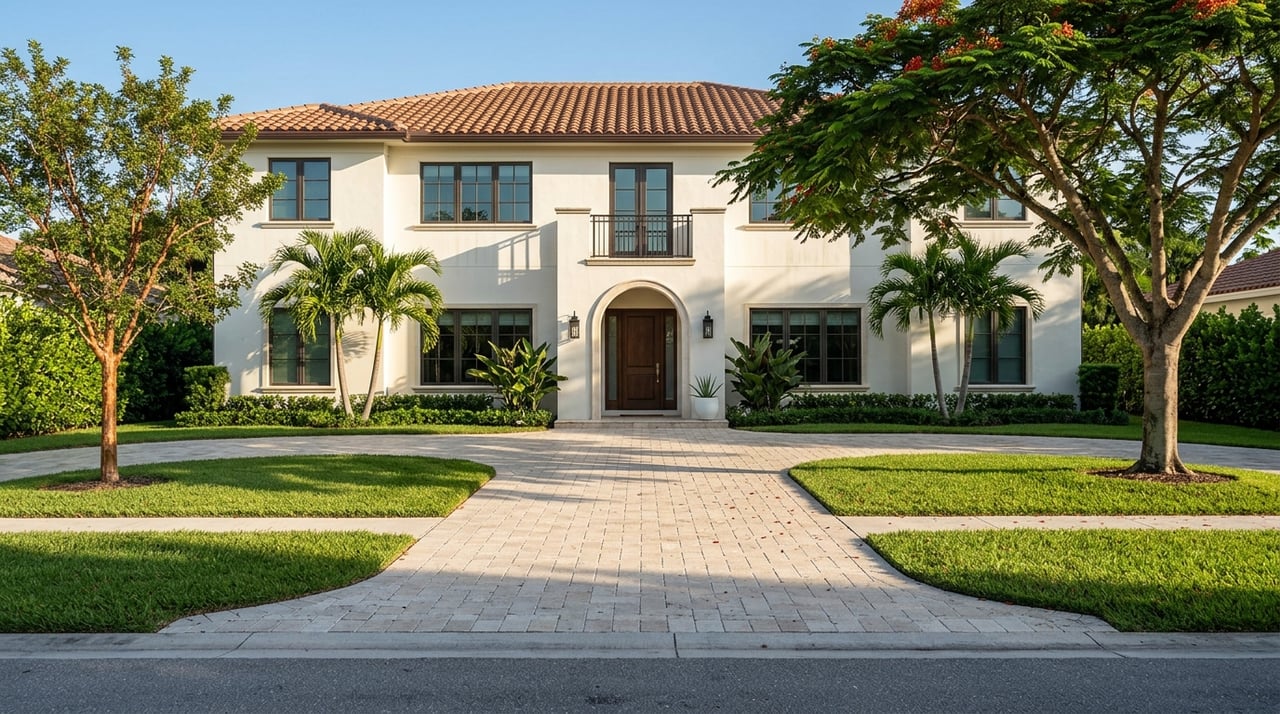
Pinecrest appeals to long-term investors because its estate-home character is not accidental. The Village’s official zoning map shows very low-density residential districts, including EU-1 zoning at one unit per two and one half gross acres, with other residential districts also limiting intensity.
That kind of land pattern helps create scarcity. In simple terms, there is only so much estate-style inventory to go around, and the local framework is designed to keep it that way rather than push density higher.
Pinecrest is also physically compact. According to Census QuickFacts, the Village has just 7.45 square miles of land area, which reinforces the idea that supply is naturally limited.
Local policy supports estate character
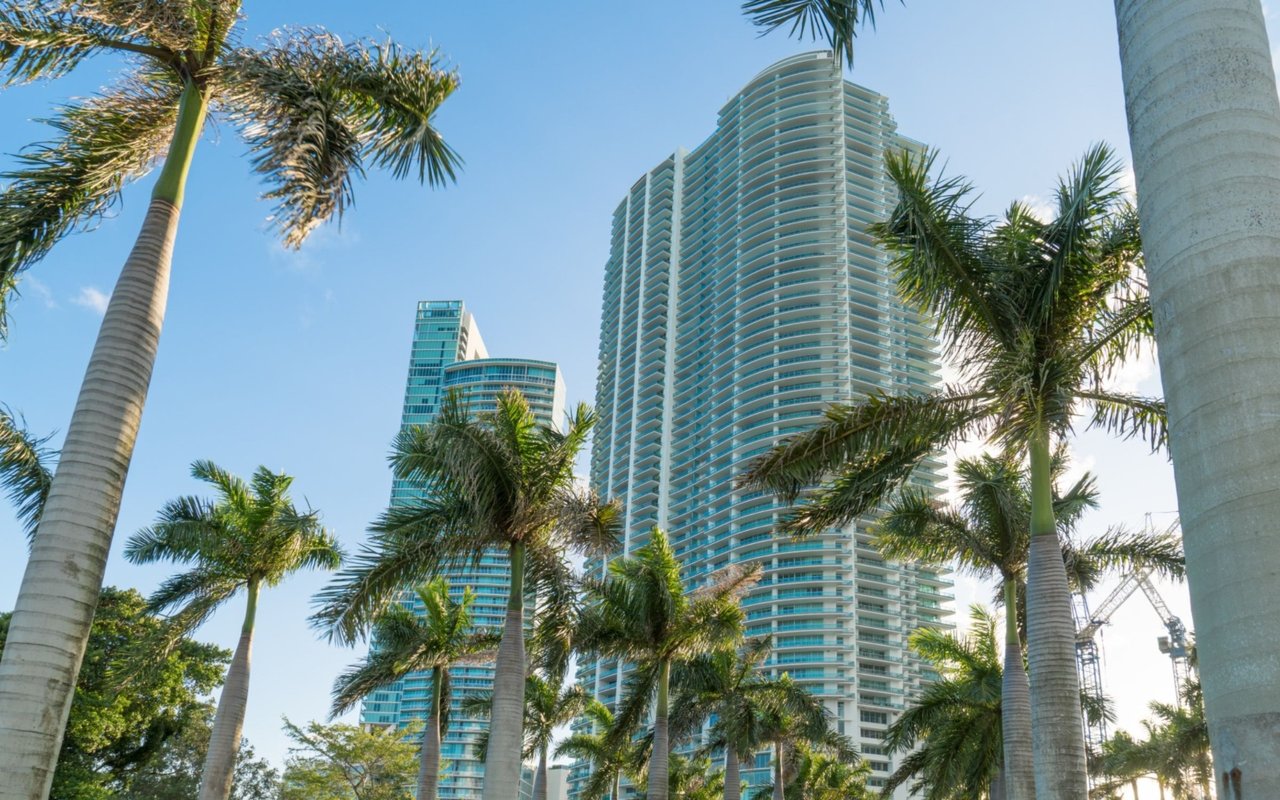
For long-term investors, policy direction matters almost as much as current pricing. Pinecrest’s 2024 Strategic Plan says residents value large lots, landscaping, open space, and a residential setting with access to downtown Miami.
The same plan also states that Pinecrest should preserve a pattern of residential estate development within a well-defined boundary while protecting the existing streetscape and tree canopy. That is important because it signals a local government approach focused on preservation of character, not wholesale intensification.
For an investor, that can support a more durable ownership thesis. Instead of betting on dramatic redevelopment, you are investing in a village that is actively trying to maintain the qualities that make estate homes desirable in the first place.
Owner-occupier demand looks durable
Another reason Pinecrest estate homes appeal to long-term investors is the resident profile. Census QuickFacts reports an owner-occupied housing rate of 82.8%, with 92.8% of residents living in the same house one year ago.
Those numbers point to a housing base with relatively low churn. In other words, Pinecrest reads more like a place where people stay than a place where people trade quickly.
The same Census data show 6,081 households, 3.03 persons per household, 28.3% of residents under 18, a median household income of $206,417, per-capita income of $113,172, and a median owner-occupied home value of $1,406,400. For investors, that combination suggests demand tied to financially capable end users who may value long-term ownership and property upkeep.
Lifestyle value goes beyond the house
Estate-home buyers are often buying more than square footage. In Pinecrest, the setting itself is part of the value proposition.
The Village says tree preservation and expansion remain ongoing priorities, and it reports planting more than 10,000 street trees since 1997. Pinecrest also notes that it has been recognized as a Tree City USA community every year since incorporation.
That matters because mature greenery, shade, and visual privacy are often central to how buyers evaluate estate properties. In markets like Pinecrest, landscaping and streetscape can help support premium positioning over time.
Pinecrest also manages nine parks and more than 150 recreation programs. Combined with the Village’s emphasis on infrastructure and quality of life, these public assets strengthen the day-to-day appeal of owning in the area.
Civic upkeep adds long-term confidence
Long-term investors usually want more than a beautiful lot. They also want confidence that the municipality is maintaining the environment around the asset.
Pinecrest’s 2025 State of the Village reports that crime is 65% lower than at incorporation and that police response times average just over two minutes. The Village also consistently presents itself as a highly livable community with stable finances, recreation facilities, infrastructure, and a high-quality residential setting on its official website.
For investors, this kind of municipal stewardship can support confidence in the long game. It helps reinforce the idea that Pinecrest is competing on quality of life, not on rapid turnover.
The market favors patience over flipping
Current market behavior also supports a longer hold strategy. According to Realtor.com’s Pinecrest market overview, the median listing price is $3,887,500, with 196 properties for sale and a median of 96 days on market.
The same research notes that outside market snapshots should be read directionally rather than as perfect apples-to-apples comparisons. Even so, the takeaway is consistent: Pinecrest is a high-priced market that tends to move more slowly than a fast-turnover, speculation-driven segment.
That can work in favor of investors who are realistic about timelines. If you are buying an estate home here, the strategy is often less about a quick resale and more about owning a scarce asset in a market where affluent end-user demand can be selective.
Value-add exists, but it is usually selective
Pinecrest can still offer upside through improvements, just not always in the way investors might expect in denser submarkets. The Village’s 2024 Strategic Plan notes flexible residential building regulations with few restrictions on architectural design and ornamentation, while still protecting neighborhoods from commercial intrusion.
That creates room for thoughtful modernization. In many cases, the more likely value-add path is upgrading interiors, replacing systems, improving landscaping, refining outdoor amenities like pools, or planning carefully scaled additions that preserve estate character.
This is an important distinction. In Pinecrest, value is often tied to presentation, livability, privacy, and quality of execution rather than density-driven redevelopment.
Exit strategy matters in Pinecrest
Because Pinecrest estate homes sit in a premium price band, your eventual buyer pool may be narrower than in a broader move-up market. That does not make the opportunity weaker, but it does mean exit planning should be disciplined.
The local data suggest a strong base of owner-occupants and long-term residents rather than constant turnover. That is why move-in-ready condition, high-quality maintenance, and improvements that align with buyer expectations may matter more than aggressive flip assumptions.
If you are planning a hold, it helps to think in stages:
- Buy with lot quality and location in mind
- Preserve the features that support estate appeal
- Modernize where buyers will notice daily value
- Maintain the property to a high standard during ownership
- Plan resale around patient, well-qualified end-user demand
Why Pinecrest fits long-term investors
When you connect the dots, the investment case becomes clearer. Pinecrest offers low-density zoning, limited land area, a high owner-occupancy rate, strong household incomes, civic upkeep, and a policy environment that favors preservation of its estate-home identity.
That does not point to a speculative, fast-flip market. It points to a scarcity-driven, lifestyle-oriented village where well-chosen homes may benefit from long-term holding, careful stewardship, and selective improvements.
For many investors, especially those who value stable ownership patterns and want a property that can be professionally overseen over time, that is exactly the appeal. If you want guidance on evaluating Pinecrest estate opportunities, holding strategy, or hands-on ownership support, Urdapilleta Real Estate offers personalized advisory and property management tailored to luxury buyers and absentee owners.
FAQs
Why are Pinecrest estate homes considered attractive for long-term investors?
- Pinecrest estate homes appeal to long-term investors because the Village has low-density zoning, limited land area, strong owner-occupier demand, and local policies focused on preserving residential estate character.
What does Pinecrest zoning mean for estate-home investment?
- Pinecrest zoning supports a low-density development pattern, which can help limit supply and reinforce scarcity for large-lot residential properties over time.
Is Pinecrest a good market for short-term house flipping?
- Current market indicators suggest Pinecrest is better suited to patient holding strategies and selective modernization than quick flips, since it is a high-priced market with relatively longer selling timelines.
What kinds of upgrades make sense for Pinecrest estate homes?
- Based on the Village’s planning framework, investors may find the best value in quality interior updates, systems improvements, landscaping, pools, and carefully scaled additions that preserve estate character.
How does Pinecrest’s resident profile affect investment potential?
- Pinecrest’s high owner-occupancy rate, high share of residents staying in the same home year to year, and strong household income levels suggest a stable end-user base that can support long-term demand.
How can Urdapilleta Real Estate help with Pinecrest investment property?
- Urdapilleta Real Estate can help with luxury buyer representation, market advisory, and integrated property management for local, absentee, and international owners seeking hands-on guidance in Pinecrest.